



Introduction
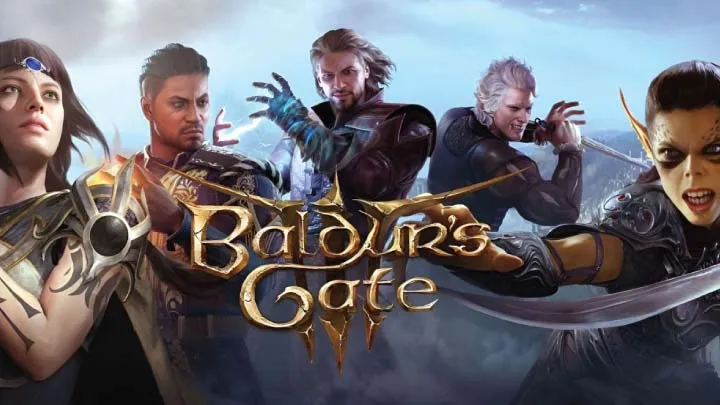
Baldur's Gate 3, developed by Larian Studios, marks a significant return to the beloved role-playing game franchise, rooted in the Dungeons & Dragons (D&D) tabletop lore. Beyond its stunning graphics, intricate storytelling, and engaging gameplay mechanics, the game brings to the forefront the impact of player choice on narrative progression and character development. This article will delve deeply into a specific issue within the game: the moral dilemmas faced by players and how these choices affect relationships and the overall narrative experience. We will examine the various layers of the choices presented, the consequences that arise, and how these elements resonate with the player’s own ethics and values.
The Setting: A World of Choices
The Diverse Landscape of Faerûn
The game is set in the rich and vibrant world of Faerûn, where players encounter various factions, races, and political tensions. This diverse environment is not merely a backdrop but a stage for players to navigate complex moral landscapes.
- Political Intrigue: Factions such as the Flaming Fist and the Cult of the Absolute offer players choices that impact not only their characters but also the political climate of the game world.
- Societal Norms: Encountering different cultures and belief systems challenges players to confront their own preconceptions and ethical principles.
An In-Depth Look at the Mechanics of Choice
The game employs a complex decision-making system that affects not only the main storyline but also character relationships and personal arcs.
- Branching Narratives: Each choice opens paths that may lead to completely different outcomes, emphasizing the weight of player decisions.
- Character Alignment: The consequences of actions are often reflected in how various NPCs react, creating a living narrative that responds to player morality.
The First Choices: Introduction to Morality
Early Encounters and Initial Dilemmas
At the outset, players are presented with choices that set the tone for moral decision-making throughout the game.
- The Decision to Save or Sacrifice: Early encounters with the Mind Flayers pose crucial dilemmas, where players must decide whether to save fellow captives or prioritize their escape.
- Engaging with Characters: Choices made during these encounters introduce players to the concept of moral ambiguity. Saving one character may lead to another character's demise, demonstrating how early choices shape the narrative.
Establishing Player Agency
These early decisions empower players by allowing them to define their character's moral compass, encouraging deeper engagement with the story.
- Personal Reflection: Players often find themselves reflecting on their decisions beyond the gaming experience, considering what they would do in similar real-life situations.
- Identity Formation: As players navigate moral quandaries, they create unique identities for their characters that influence their gameplay style and interactions.
The Influence of Companions
Building Relationships Through Choices
In Baldur's Gate 3, players' relationships with companions significantly impact the unfolding narrative, highlighting the game's focus on personal connections.
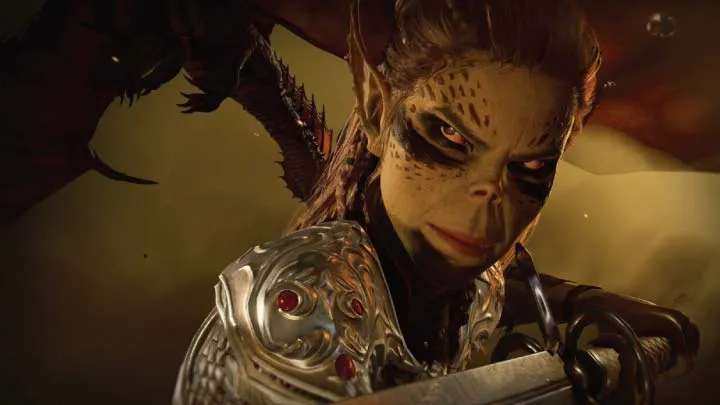
- Dynamic Conversations: Characters such as Astarion, Shadowheart, and Lae’zel respond to player choices, either approving or disapproving based on shared values and goals.
- Companions as Mirrors: These characters often serve as reflections of the player's choices, challenging them to reconsider their moral standings.
The Consequences of Trust and Betrayal
Building relationships comes with its own set of dilemmas, particularly when trust is involved.
- Personal Stakes: Players must weigh the risks and rewards of forming alliances, knowing that betrayal can have severe consequences.
- Emotional Investment: The depth of companion stories enhances emotional stakes, making each choice regarding alliances feel significant.
The Tension of Ethical Decisions
Moral Quandaries Throughout the Quest
As players progress, they encounter increasingly complex moral dilemmas that force them to confront ethical boundaries.
- Choices Between Right and Wrong: Scenarios involving theft, loyalty, and sacrifice challenge players to define their ethical lines.
- Justifying Actions: Players must grapple with the consequences of their choices, often justifying morally questionable actions in pursuit of greater goods.
Real-Life Parallels to In-Game Decisions
The moral dilemmas presented in Baldur's Gate 3 resonate with real-world ethical conflicts, prompting players to reflect on their own values.
- Empathy and Understanding: By making difficult decisions, players engage in a process of empathy, considering the implications of their actions on others.
- Philosophical Exploration: The game encourages a deeper exploration of personal beliefs and ethics, similar to discussions surrounding ethical philosophy in real-life contexts.
Group Dynamics: The Impact of Team Morality
Party Cohesion and Divergence
The game introduces mechanics around group dynamics, where players' choices impact not only their fate but also the cohesion of their party.
- Companion Conflicts: Divergent moral compasses between characters can lead to conflict within the party, affecting mission success and character loyalty.
- Moral Alignments: Players must balance their desires with those of their party members, leading to challenging decisions during critical moments.
Consequences of Disloyalty
Loyalty to companions can be tested, leading players to confront the repercussions of their choices on group dynamics.
- Character Development: Party members may react negatively to certain actions, resulting in character development arcs influenced by player choices.
- Disbandment Risks: Players risk losing allies if their decisions do not align with character ethics, deepening the stakes of each moral choice.
The Climax: Defining Moments in the Story
Key Decisions That Alter the Course of the Game
As the narrative reaches its climax, players face pivotal decisions that can drastically change the game’s outcome.
- Crucial Betrayals or Alliances: Decisions made during climactic moments challenge players to choose between personal gain and greater good, often with irreversible consequences.
- Impact on Ending: Choices made leading up to this point determine which factions rise or fall, affecting the world’s state upon completion of the game.
Reflecting on the Journey
The culmination of these decisions often leads players to reflect on their journey and the ethics embedded in their choices.
- Character Growth: Players may find that their characters have transformed in ways that align with the moral complexities navigated throughout the game.
- Legacy of Decisions: The results of these choices resonate in the ending scenes, providing a closure that feels deeply personal and reflective of the player’s journey.
The Aftermath: Consequences of Choices
Long-Term Effects on the Game World
The consequences of player decisions echo throughout the game world, suggesting that choices have lasting impacts.
- Dynamic Game Environment: The reactions of NPCs and changes in faction power illustrate the repercussions of choices made.
- Continuity Across Playthroughs: Players are encouraged to replay the game and explore different moral paths, enhancing the longevity of the narrative experience.
Exploring Alternate Outcomes
Players often find themselves drawn back to the game to explore alternate choices, experiencing the diverse pathways available.
- Replayability and Narrative Depth: The multitude of choices enhances the game's replayability, offering players a chance to explore the moral nuances of the world.
- Learning through Decision-Making: Through each playthrough, players refine their understanding of moral complexity, gaining deeper insights into their values.
Conclusion
Baldur's Gate 3 serves as a profound exploration of player choice and moral dilemmas, compelling players to engage with ethical complexities in a beautifully crafted world. The impact of choices on narratives, character relationships, and the game world creates a unique experience that resonates deeply with players. As they navigate through dilemmas ranging from personal sacrifice to collective responsibility, players are prompted not just to act but to reflect on their values and ethics long after they've left the game. The game's design fosters a deep connection between players and their characters, making every choice feel significant. Ultimately, Baldur's Gate 3 transforms the act of gaming into a meaningful narrative journey that challenges players to explore the depths of their own morality.