




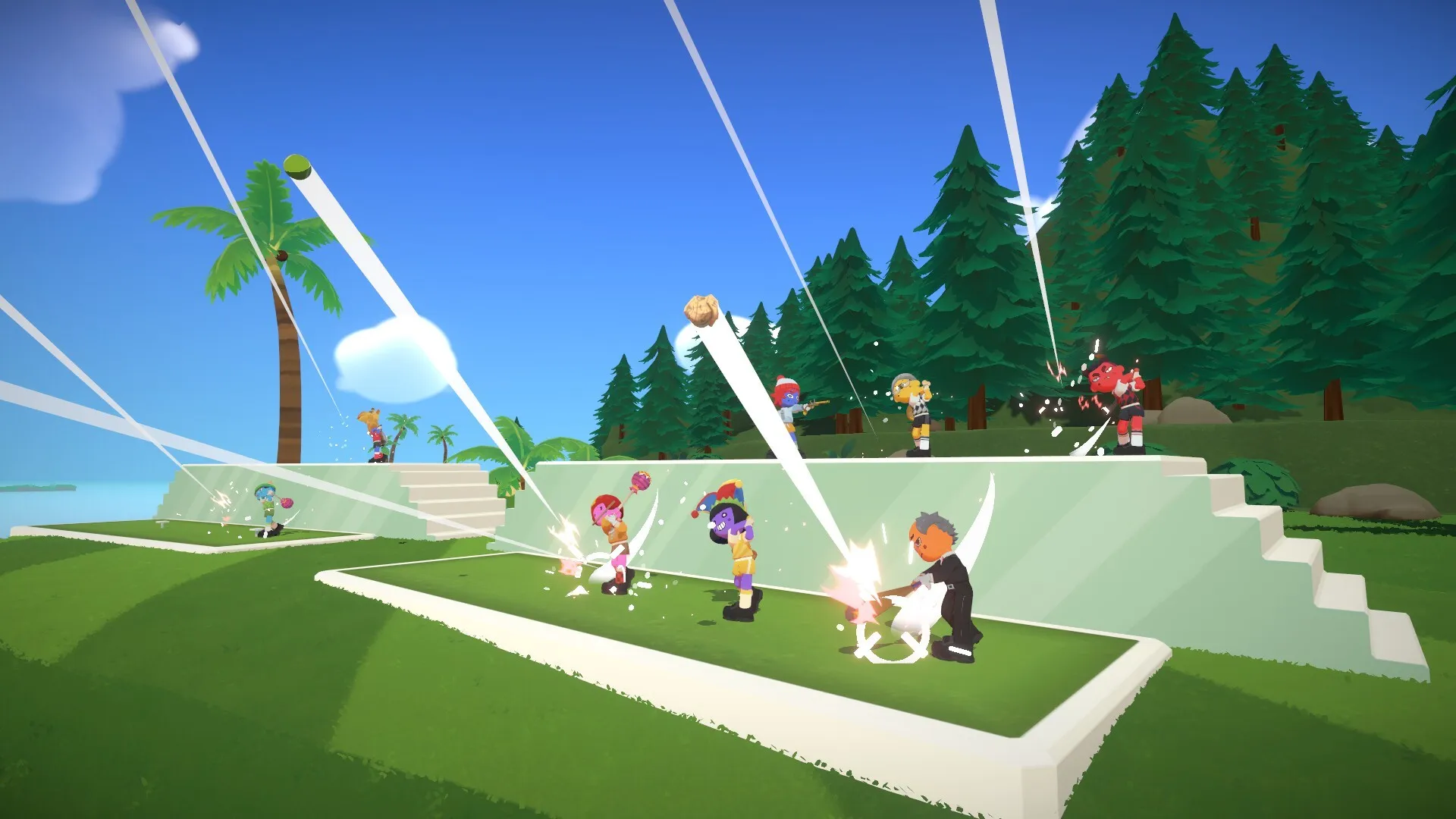
Super Battle Golf is not your traditional golf simulator. Instead of quiet fairways and relaxed pacing, this game transforms golf into a competitive battlefield filled with power shots, hazards, time pressure, and head-to-head chaos. Every swing is a tactical decision, and every hole becomes a strategic arena where positioning, timing, and smart ability usage determine victory.
Unlike realistic golf games that focus purely on physics accuracy, Super Battle Golf blends arcade mechanics, character skills, environmental traps, and multiplayer competition into one dynamic experience. To succeed, players must master both mechanical precision and battlefield awareness. This comprehensive Tips & Guides article is structured according to progression—from beginner fundamentals to advanced competitive play—so you can steadily improve and dominate every match.
<h2>1. Understanding the Core Gameplay Mechanics</h2>
Super Battle Golf revolves around three pillars: precision aiming, power control, and environmental awareness. While hitting the ball toward the hole seems simple, external variables such as moving obstacles, dynamic terrain, and opponent interference create constant unpredictability.
Unlike traditional golf games, timing is often as important as accuracy. In many modes, speed affects ranking, meaning hesitation can cost you a win even if your shots are accurate.
<h3>Core Gameplay Elements</h3>
- Aim direction and shot angle
- Power bar control
- Spin and curve mechanics
- Arena hazards and modifiers
<h4>Why Fundamentals Matter</h4>
Before focusing on advanced tricks, players must consistently land controlled shots. Mechanical stability builds the foundation for competitive success.
<h2>2. Early Game Strategy: Building Shot Consistency</h2>
New players often try flashy trick shots too early. However, the early game is about learning consistent distance control. Overshooting is one of the most common beginner mistakes.
Instead of aiming directly at the hole every time, learn to position shots safely. Landing in stable terrain often creates better second-shot opportunities.
<h3>Beginner Priorities</h3>
- Practice medium-power swings
- Avoid risky shortcuts
- Learn terrain bounce behavior
<h4>Common Early Mistakes</h4>
- Max-power swings without control
- Ignoring wind or slope
- Rushing under time pressure
<h2>3. Mastering Power Control and Shot Angles</h2>
Power control determines whether your ball lands softly near the hole or flies into a hazard. The power meter must be treated with discipline.
Angles are equally critical. Shooting at sharp angles can reduce travel distance while maintaining forward progress.
<h3>Power Control Tips</h3>
- Use 70–85% power for controlled mid-range shots
- Avoid full power unless terrain is flat
- Adjust based on bounce prediction
<h4>Angle Strategy</h4>
Approach the hole diagonally when possible to reduce risk of overshoot.
<h2>4. Spin, Curve, and Advanced Ball Manipulation</h2>
As players progress, spin mechanics unlock deeper control. Backspin can stop the ball near the hole, while topspin increases roll distance.
Curve shots are especially useful when obstacles block direct lines.
<h3>When to Use Spin</h3>
- Backspin for downhill shots
- Topspin for long fairways
- Sidespin to avoid hazards
<h4>Precision Over Flash</h4>
Advanced mechanics should enhance strategy, not replace fundamentals.
<h2>5. Understanding Arena Hazards and Map Awareness</h2>
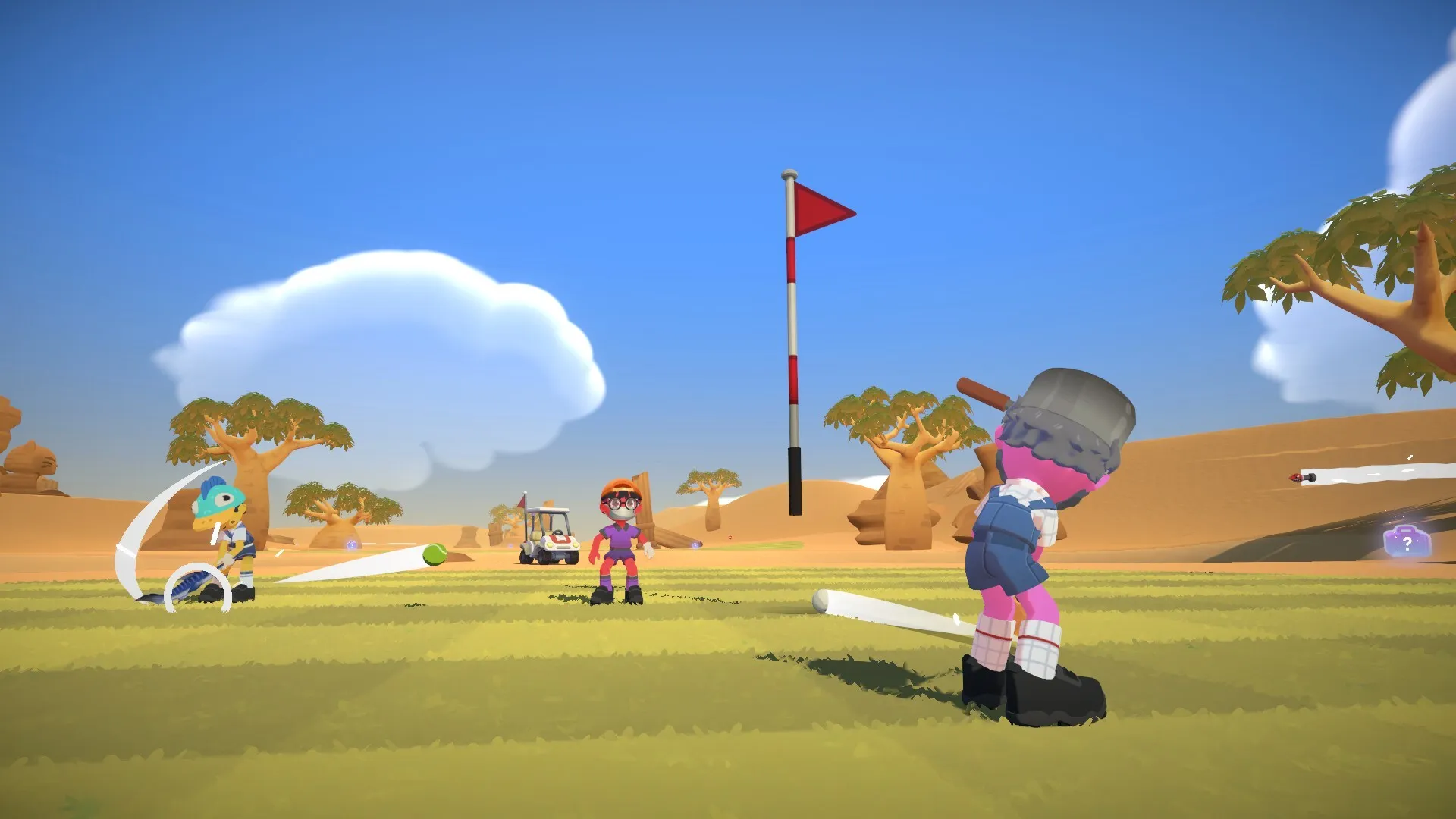
Super Battle Golf arenas are filled with traps: moving barriers, lava pits, teleporters, wind tunnels, and more. Memorizing map layouts dramatically improves performance.
Observing opponents’ mistakes can also teach hazard timing.
<h3>Hazard Management Tips</h3>
- Wait for moving platforms
- Avoid aggressive shortcuts
- Watch wind direction indicators
<h4>Map Memory Advantage</h4>
Experienced players gain seconds by anticipating terrain shifts.
<h2>6. Character Abilities and Tactical Usage</h2>
Many modes include character-specific abilities. Some enhance power, others provide defensive or mobility advantages.
Abilities should be used strategically rather than immediately when available.
<h3>Ability Strategy</h3>
- Use boost abilities on long fairways
- Save defensive skills for hazard-heavy zones
- Combine abilities with spin for maximum effect
<h4>Cooldown Awareness</h4>
Wasting abilities early often leaves you vulnerable late in the round.
<h2>7. Competitive Multiplayer Mindset</h2>
In ranked or competitive matches, psychological pressure increases. Players rush shots and make careless errors.
Maintaining composure is crucial when competing against skilled opponents.
<h3>Multiplayer Focus Areas</h3>
- Stay calm under time pressure
- Prioritize safe plays over risky shortcuts
- Observe opponent strategies
<h4>Mindset Rule</h4>
Consistency beats flashy unpredictability.
<h2>8. Mid-Game Optimization and Efficiency</h2>
Mid-game players often plateau due to inconsistency. This phase requires refining fundamentals and minimizing mistakes.
Reviewing match replays can reveal patterns of overpowered shots or poor hazard timing.
<h3>Breaking the Plateau</h3>
- Improve distance judgment
- Reduce hazard penalties
- Optimize ability timing
<h4>Performance Tracking</h4>
Track average strokes per course to measure improvement.
<h2>9. Advanced Arena Strategy and Risk Management</h2>
Late-game competition introduces tighter maps and more aggressive hazards. Risk management becomes essential.
Taking calculated risks can secure fast wins, but blind aggression often backfires.
<h3>Advanced Risk Tactics</h3>
- Attempt shortcuts only when leading
- Use safe routes when defending advantage
- Predict opponent aggression
<h4>Endgame Awareness</h4>
When ahead, minimize mistakes rather than chasing style points.
<h2>10. Long-Term Mastery and Competitive Dominance</h2>
True mastery in Super Battle Golf comes from repetition and disciplined refinement. Top players rarely rely on luck.
Improvement depends on precision, patience, and adaptive thinking.
<h3>Long-Term Growth Plan</h3>
- Practice daily shot drills
- Study high-level gameplay
- Experiment with spin combinations
<h4>Mastery Principle</h4>
Control your power. Control the course. Control the match.
Conclusion
Super Battle Golf transforms traditional golf into a competitive battlefield where precision, planning, and psychological resilience define success. From early consistency building to advanced risk management and competitive strategy, every stage of progression requires thoughtful improvement. Mastering shot control, understanding hazards, and using abilities strategically separates casual players from champions.
By applying the structured tips in this guide, you can steadily elevate your gameplay, minimize mistakes, and dominate both casual and ranked matches. In Super Battle Golf, victory belongs to the calm, calculated, and consistently precise.