Thank Goodness You’re Here! – How to Systematically Solve Multi-Step Puzzle Chains and Trigger Every Outcome
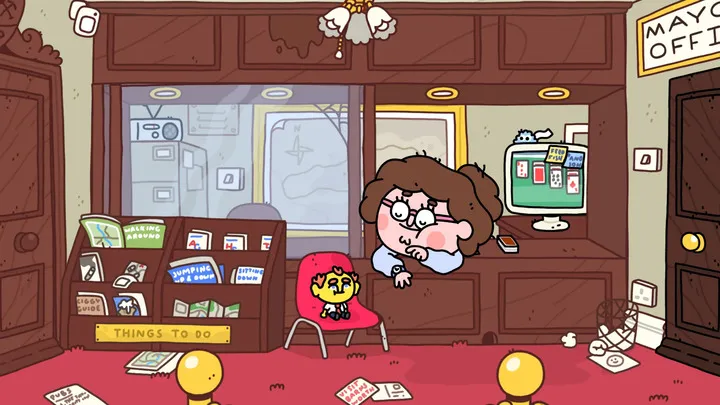
In Thank Goodness You're Here!, the most difficult challenges are not hidden in complex mechanics, but in multi-step interaction chains that unfold across the environment. Many players reach a point where they understand basic interactions, yet still get stuck when puzzles require precise sequencing, revisiting triggers, and tracking indirect outcomes.

This article focuses on a very specific “how to” topic: how to systematically solve multi-step puzzle chains and trigger every required outcome without guessing. Instead of relying on random experimentation, you will learn a structured approach to reading the environment, mapping interactions, and executing sequences efficiently—even in the most chaotic late-game scenarios.
Understanding Multi-Step Puzzle Chains as Systems
What Makes a Puzzle “Multi-Step”
A multi-step puzzle is not solved in a single interaction. Instead, it requires:
- Several triggers across different locations
- Changes that occur over time or after events
- Dependencies between objects or NPCs
These puzzles are essentially systems, not actions.
The Hidden Structure Behind Chaos
Although the game feels chaotic, every puzzle follows a structure:
- Initial trigger
- Environmental reaction
- Secondary interaction unlock
- Final resolution
Recognizing this structure turns confusion into clarity.
Step One: Identifying the First Trigger
Finding the Starting Point
Every chain begins with a primary trigger, often subtle or disguised.
Common starting points:
- An NPC with repetitive dialogue
- An object that reacts slightly
- A location that feels “unfinished”
How to Confirm a Trigger
You know you’ve activated the first step when:
- Something changes (even minimally)
- A new sound or animation appears
- An NPC reacts differently
First Trigger Checklist
- Interact multiple times
- Try different angles
- Watch for delayed reactions
The first step is often the hardest to identify.
Step Two: Tracking Environmental Reactions
Why Reactions Matter
After the first trigger, the environment begins to change. These changes are often subtle but critical.
Examples:
- A door slightly opens
- An object shifts position
- A new sound plays in another area
Expanding Your Awareness
After every interaction:
- Stop moving
- Look around the entire screen
- Revisit nearby areas
Reaction Tracking Strategy
- Assume every action causes something
- Search beyond immediate surroundings
- Treat silence as a clue
Observation is your strongest tool.
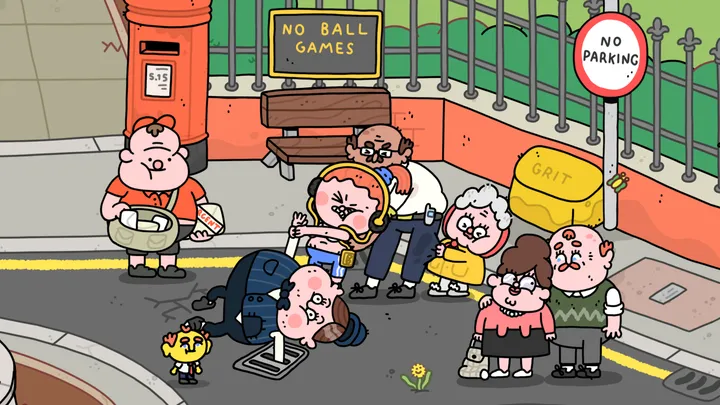
Step Three: Mapping Interaction Dependencies
Understanding Dependencies
Many puzzle steps depend on previous actions. If you skip one, the chain breaks.
Dependencies can include:
- NPC states
- Object positions
- Environmental conditions
Building a Mental Map
To manage dependencies:
- Remember what you’ve changed
- Track which areas have updated
- Revisit earlier locations
Dependency Checklist
- Does this object react differently now?
- Has an NPC moved or changed behavior?
- Is a previously inactive area now usable?
Mapping dependencies prevents dead ends.
Step Four: Revisiting Previously Solved Areas
Why Backtracking Is Essential
Unlike linear puzzles, multi-step chains often require returning to earlier locations.
Players often get stuck because they assume:
- Completed areas are finished
- Interactions are one-time only
Backtracking Strategy
- Revisit every major area after key triggers
- Re-interact with previously used objects
- Check NPCs again
Backtracking Rules
- Nothing is ever truly “done”
- Changes ripple across the map
- Old areas often hold new solutions
Progress often hides behind repetition.
Step Five: Managing Simultaneous Chains
When Multiple Puzzles Overlap
Mid to late-game introduces overlapping chains, where multiple puzzles progress at once.
This creates confusion because:
- Actions affect multiple systems
- Progress is not immediately visible
Organizing Your Approach
To manage complexity:
- Focus on one chain at a time
- Ignore unrelated distractions
- Track progress mentally
Multi-Chain Checklist
- Identify active puzzles
- Separate them mentally
- Complete one before switching
Organization reduces chaos.
Step Six: Sequencing Actions Correctly
Order Matters
Some puzzles require actions in a specific order. Doing them incorrectly resets progress or creates confusion.
Recognizing Sequence-Based Puzzles
Clues include:
- Actions that seem ineffective alone
- NPCs reacting differently depending on timing
- Objects requiring preparation
Sequencing Strategy
- Test different orders
- Observe outcomes carefully
- Reset and retry if needed
Sequence Checklist
- A → B → C (correct order)
- Avoid skipping steps
- Confirm each stage before moving on
Precision is key.
Step Seven: Using NPC Movement as Part of the Chain
NPCs as Dynamic Puzzle Elements
NPCs often move, react, or change states based on your actions.
They are not passive—they are part of the puzzle system.
Manipulating NPC Behavior
To use NPCs effectively:
- Trigger their movement intentionally
- Guide them through interactions
- Use them to unlock new paths
NPC Strategy Checklist
- Observe movement patterns
- Interact at different times
- Use NPCs as tools, not just hints
Understanding NPCs unlocks advanced solutions.
Step Eight: Recognizing Delayed Outcomes
Not All Results Are Immediate
Some actions do not produce instant results. Instead, they trigger delayed changes.
Identifying Delayed Effects
Signs include:
- No visible change after action
- Later events triggering new behavior
- Environmental shifts after time passes
Delayed Outcome Strategy
- Remember what you triggered
- Continue exploring
- Return later to confirm effects
Key Rule
Just because nothing happened now doesn’t mean nothing happened.
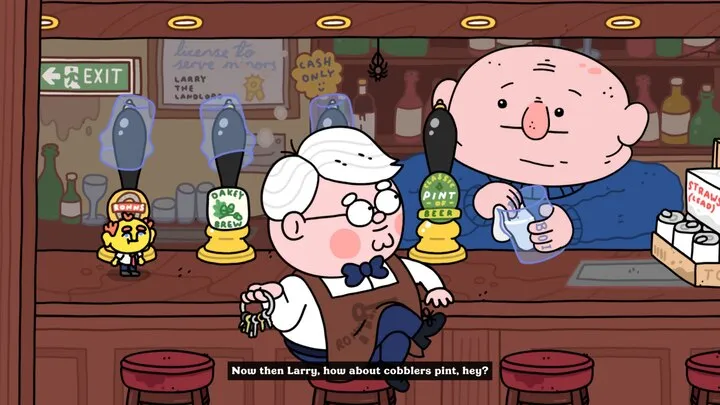
Step Nine: Solving Late-Game Chain Complexity
When Everything Connects
Late-game puzzles often combine:
- Multiple chains
- Timing elements
- NPC interactions
- Environmental triggers
This creates high complexity.
Staying in Control
To manage this:
- Slow down your thinking
- Focus on one interaction at a time
- Ignore visual noise
Advanced Strategy
- Break puzzles into segments
- Solve each part independently
- Reassemble the full solution
Clarity comes from simplification.
Step Ten: Achieving Full Puzzle Mastery
From Trial-and-Error to Systematic Solving
At mastery level, you no longer guess—you analyze.
You begin to:
- Predict outcomes
- Identify chains quickly
- Execute sequences efficiently
Building Long-Term Intuition
To reach this level:
- Practice observation
- Learn from mistakes
- Recognize recurring patterns
Mastery Checklist
- No random actions
- Clear understanding of systems
- Efficient progression
This is where the game becomes fully controllable.
Conclusion
Thank Goodness You’re Here! transforms chaotic humor into a structured puzzle system built on multi-step interactions and indirect outcomes. While it may initially feel unpredictable, every puzzle follows a hidden logic that can be understood, mapped, and mastered.
By learning how to identify triggers, track environmental changes, manage dependencies, and execute sequences correctly, players can move beyond frustration and into confident problem-solving. The key is not speed or luck—but observation, patience, and structured thinking.
Once you understand how puzzle chains function, the game shifts from confusing randomness into a coherent and deeply satisfying system—where every bizarre interaction has a purpose, and every solution feels earned.