



Introduction
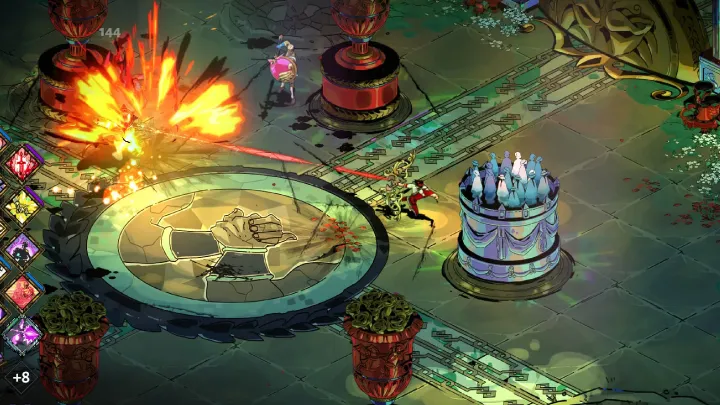
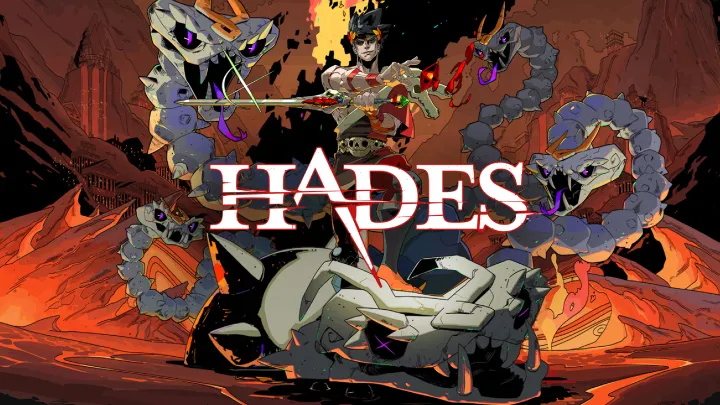
Hades, the critically acclaimed rogue-like dungeon crawler developed by Supergiant Games, not only captivates players with its fast-paced gameplay and stunning art style but also explores deep-seated themes of family dynamics and personal growth. Set in the underworld of Greek mythology, players take on the role of Zagreus, the son of Hades, as he attempts to escape the realm of the dead and find his mother, Persephone. Throughout this journey, the relationships between Zagreus and his family members—particularly Hades, Persephone, and other Olympian gods—highlight varying perspectives on duty, love, and reconciliation. This article will delve deeply into the complexities of family dynamics in Hades, analyzing how these relationships shape not just the characters but also the overarching narrative and gameplay experience.
The Setup: Family Conflict in the Underworld
Understanding Zagreus's Motivation
At the heart of Hades is the protagonist's motivation: Zagreus's desire to break free from the constraints of his father's realm and discover the truth about his mother. Initially, this quest appears straightforward, driven by a need for understanding and connection. However, as players delve deeper into the game, it becomes evident that this escape is fraught with emotional turmoil and complex family dynamics.
The Dichotomy of Father and Son
Zagreus's relationship with Hades serves as a central conflict that permeates the gameplay. Hades embodies authority, duty, and a rigid adherence to the rules of the Underworld, while Zagreus represents defiance, curiosity, and a yearning for individual identity. This clash of values creates tension that drives the narrative, forcing players to navigate the intricacies of their relationship as they attempt to escape the Underworld.
The Role of Persephone
The Search for Maternal Connection
As Zagreus quests for freedom, his longing for his mother, Persephone, becomes paramount. The emotional weight of this search reveals deeper layers of family dynamics, exposing the complexities of maternal relationships. Persephone is initially shrouded in mystery, with her absence profoundly affecting Zagreus's sense of self-worth.
The Revelation of Truth
When players finally encounter Persephone, her backstory and motivations unfold, shedding light on the reasons for her estrangement from both Hades and Zagreus. This revelation adds depth to the narrative, inviting players to consider the sacrifices and struggles that accompany familial relationships. The nuanced portrayal of Persephone underlines the idea that every family dynamic is impacted by individual choices and the consequences therein.
The Complexity of Hades and Zagreus's Relationship
Power Struggles
Hades and Zagreus's relationship is marked by a constant power struggle, mirroring classic father-son conflicts. Hades expects adherence to the rules of the Underworld, while Zagreus seeks autonomy and self-definition. This tension serves as a microcosm of the broader themes that permeate the game, highlighting how personal agency interacts with familial expectations.
Communication Breakdown
The game emphasizes the breakdown of communication between Hades and Zagreus. Dialogue exchanges are often charged with bitterness and misunderstanding, revealing their characters' motivations while leaving underlying feelings unresolved. Players experience their fraught relationship through heated confrontations, showcasing the emotional distance that exists despite the bond of blood.
The Impact of the Olympian Gods
External Influences
Throughout his journey, Zagreus encounters various Olympian gods who assist him with boons and abilities, adding complexity to his character development. These divine entities offer a contrast to the familial dynamics present in the Underworld, providing players an opportunity to explore alternative forms of relationships. However, the gods also reflect their dysfunctions, suggesting that the issues of family conflict are not restricted to Zagreus's immediate lineage.
Conflating Familial and Friendly Bonds
The boons offered by the Olympians often come with a sense of conditionality, indicating that even their support may be influenced by self-interest. As players interact with these characters, they witness how these relationships can be both empowering and transactional, blurring the lines between support and expectation. This dynamic further complicates Zagreus's quest for identity, resulting in additional emotional turmoil.
The Role of Narrative Structure
The Repetition of Gameplay
Hades employs a rogue-like structure where players repeatedly attempt to escape the Underworld, a mechanic that mirrors the cyclical nature of family dynamics. Each run offers new opportunities for character interactions, adding depth to the parent-child relationships. The repetition allows players to experience different facets of these relationships, illustrating how growth and understanding can occur even amidst chronic conflict.
Developing Emotional Resonance
The structured repetition enhances the emotional stakes for Zagreus. As characters evolve based on interactions and experiences during each run, players are encouraged to invest in their stories. This emotional resonance deepens the exploration of family dynamics, highlighting the power of shared experiences to transform relationships, even over time.
Themes of Duty and Sacrifice
The Weight of Responsibility
Throughout Hades, duty emerges as a significant theme that complicates familial relationships. Hades, as ruler of the Underworld, embodies the responsibilities that come with power, often prioritizing his duties over familial bonds. This emphasis on duty creates a rift between Hades and Zagreus, who yearns for understanding and acceptance.
The Price of Sacrifice
Persephone’s narrative also centers around sacrifice, as players learn of her willingness to leave the comforts of Olympus for the sake of love and duty. The sacrifices made by each character illustrate the complexities of their relationships, as the characters grapple with the consequences of their choices. This interplay reinforces the notion that love often requires sacrifice, complicating the dynamics of family.
The Journey of Self-Discovery
Finding Agency
As Zagreus navigates the trials of the Underworld, he embarks on a journey of self-discovery. This quest is intricately linked to his evolving relationships with his family and the choices he makes along the way. The confrontation with Hades and the search for Persephone act as catalysts for Geralt's exploration of identity, allowing him to forge his path while reconciling with his complex family legacy.
Embracing Identity
The process of self-discovery culminates in moments of empowerment as Zagreus learns to embrace his identity as both a son of Hades and an individual with his own agency. The interactions with his family challenge him to confront his insecurities, ultimately guiding him toward a more defined sense of self. This journey speaks to the broader theme of identity formation, highlighting the importance of personal growth in the context of family relationships.
The Emotional Climax
The Confrontation with Hades
The emotional climax of Hades unfolds during the final confrontation with Hades, where years of tension and misunderstanding culminate in a dramatic showdown. The stakes of the encounter extend beyond mere victory; they represent years of emotional turmoil, familial expectations, and the crucial need for reconciliation.
Rebuilding Connections
This confrontation serves as a turning point, where both characters grapple with their emotions and empathize with each other’s struggles. The intensity of their interactions lays the groundwork for potential reconciliation, emphasizing that understanding and connection can emerge even in the harshest circumstances. This moment resonates, encouraging players to reflect on their own relationships and the potential for healing.
The Future of Family Dynamics
The Aftermath of Choices
As the narrative concludes, players are left contemplating the aftermath of revelations and choices. The journey offers a nuanced examination of family dynamics, portraying characters who possess the capacity for growth, healing, and connection. The evolution of relationships creates a compelling narrative that speaks to the complexities of familial bonds.
Enduring Complexity
The conclusion of Hades suggests that navigating family relationships is an ongoing process filled with ups and downs. While moments of reconciliation may occur, challenges and misunderstandings remain constantly present, mirroring the complexities of real life. The richness of the characters’ stories leaves players with an understanding that growth takes time, requiring continual effort even amidst setbacks.
Conclusion
Hades presents a masterful exploration of family dynamics, deftly weaving themes of love, duty, sacrifice, and reconciliation throughout the narrative. Through the lens of Zagreus's journey, players confront the complexities of relationships while navigating the emotional landscapes of the Underworld. The game invites reflection on the challenges inherent in family dynamics, reinforcing how choices and emotions shape self-discovery and growth. Ultimately, Hades embodies the nuanced beauty of familial relationships, reminding players that while conflict may arise, understanding and connection can emerge from the most difficult circumstances. The intricate portrayal of love and loss serves as a testament to the enduring power of familial bonds and the potential for healing and redemption.