




Introduction
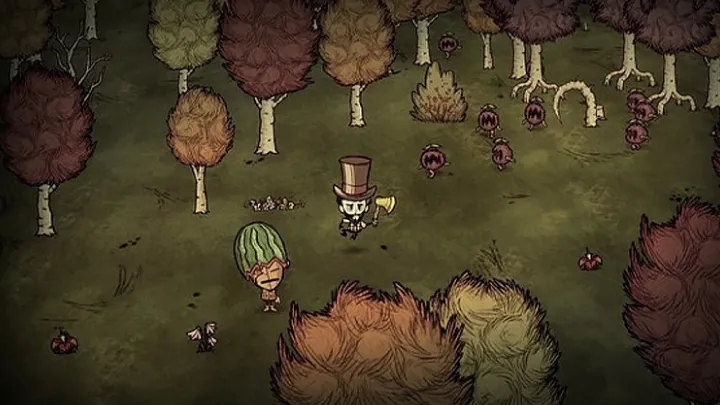
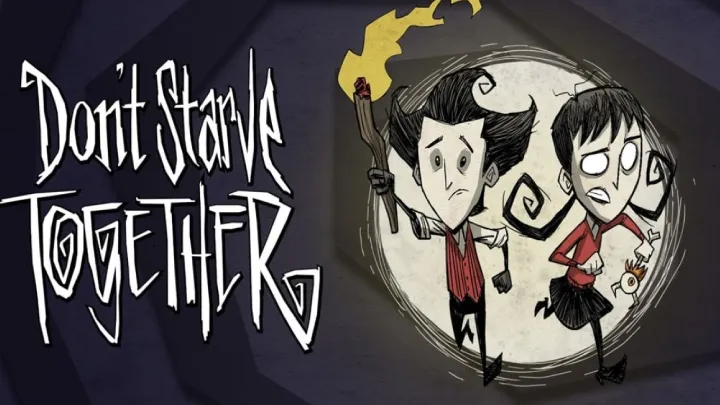
Don't Starve Together, the multiplayer expansion of the critically acclaimed survival game Don't Starve, plunges players into a whimsical and perilous world filled with grotesque creatures, resource scarcity, and the looming threat of "the darkness." Unlike its single-player predecessor, Don't Starve Together emphasizes cooperation, forcing players to work together to survive the game's myriad challenges. This article explores the dynamics of cooperation and survival in Don't Starve Together, focusing on how teamwork, communication, and resource management shape the player experience. By examining the game's mechanics, character abilities, and the impact of social dynamics, we can understand why cooperation is essential for thriving in this unforgiving environment.
The Basics of Survival: Understanding the Environment
An Unforgiving World
From the moment players enter the world of Don't Starve Together, they are greeted with an environment that is both charming and treacherous. The game randomly generates a new world for each playthrough, presenting unique biomes, resources, and challenges that require players to adapt quickly. The initial understanding of the ecosystem is critical for survival: knowing where to find food, crafting materials, and safe spaces is essential, and these decisions can mean the difference between life and death.
Resources and Scarcity
Resource management forms the backbone of survival in Don't Starve Together. Players must gather essentials like food, wood, and stone while managing their sanity and health. This scarcity encourages collaboration, as different characters possess unique abilities that can aid the group. For example, characters like Willow can gather resources more efficiently, while others, such as Wolfgang, can consume food to regain strength. The interplay of unique character abilities fosters a sense of interdependence, requiring players to communicate their needs and work together to utilize resources effectively.
The Role of Characters in Cooperation
Character Diversity and Abilities
Don't Starve Together features a diverse cast of characters, each with their distinct traits and abilities that contribute to the group's success. The variety encourages players to experiment and find the right combination of characters to tackle challenges effectively. Understanding each character's strengths and weaknesses can significantly enhance the cooperative experience, turning survival into a strategic play.
Synergy in Action
The synergy between characters becomes evident as players cooperate to harness their abilities. For example, a group may consist of a character that excels at combat, another that specializes in gathering, and yet another that can create powerful tools. This division of labor allows players to maximize their efforts and create a balanced strategy that capitalizes on the strengths of each character. Working together not only enhances the efficiency of resource gathering but also adds layers of depth to group dynamics.
The Importance of Communication
Verbal and Non-Verbal Interaction
Communication is crucial in Don't Starve Together, where players must share information and strategies. While the game can be played with friends using voice chat, players can also rely on in-game emotes and gestures to convey their intentions. Navigating complexities in communication fosters a deeper bond between players, emphasizing the necessity of teamwork in a constantly changing environment.
Strategies for Effective Cooperation
Successful cooperation requires players to establish clear strategies ensuring that every individual is aware of goals and tasks. Effective communication can prevent misunderstandings during crucial moments, such as planning a trek to gather food or preparing for a nighttime monster encounter. As players learn to articulate their needs and intentions, they cultivate a cohesive gameplay experience that ultimately enhances their chances of survival.
The Cycle of Day and Night
The Impending Darkness
The passage of time plays a significant role in the survival mechanics of Don't Starve Together. Each cycle has a daytime phase filled with opportunities for gathering and crafting, contrasted with the nighttime phase, which brings forth dangers that can quickly end a player's run. This structure necessitates careful planning and collaboration, as players must prepare for nightfall by gathering resources and creating safe spaces.
Crafting Strategies for Survival
During the day, players can scatter across the map, each pursuing different tasks—gathering food, chopping trees, or scouting for resources—before regrouping to share findings and strategize for the impending darkness. The urgency created by the cycle encourages players to communicate effectively and prioritize tasks, reinforcing the theme of cooperation. The cooperative management of time creates tension yet also fosters camaraderie as players work together to ensure everyone’s safety.
Overcoming Challenges: The Threats of the World
Monsters and Anomalies
In Don't Starve Together, players face various threats, including creatures that roam the land—ranging from small pests to formidable bosses. Coordination becomes essential when dealing with these challenges, as different characters can target and distract enemies effectively. Strategies must be discussed, and roles assigned for combat; for instance, one players’ task might be to kite enemies while others deal damage from a distance.
The Emotional Toll of Failure
The emotional ramifications of failure in Don't Starve Together can be significant. Death not only damages progress but can lead to frustration and discontent among players. A character's demise can disrupt group dynamics, forcing the surviving players to either adjust their strategies or rush to revive their fallen allies. The emotional landscape becomes complicated, with players processing loss while needing to keep the team functioning for their mutual survival.
Exploration and Resource Management
The Role of Exploration
Exploration is fundamental to survival in Don't Starve Together, as players must venture into unfamiliar territory to uncover resources. The game’s randomly generated world offers varied biomes—each with distinct resources, hazards, and unique monsters that require individual strategies.
Strategic Gathering
As players explore, effective resource management becomes critical. Players must assess whether to gather resources and stay out longer or return to safety, balancing the urgency to collect with the need to avoid danger. Cooperation enhances exploration, as players can strategize and make informed decisions about which paths to take and which resources to pursue.
Building a Community: Bases and Bases
Establishing Safe Zones
As players gather resources and accumulate supplies, establishing a base becomes essential for long-term survival. Bases provide a safe harbor, allowing players to store items, craft gear, and rest. The act of building these bases reinforces the importance of cooperation, as players must agree on locations, resource allocations, and designs.
The Psychology of Community
Building a base also encourages a sense of belonging. Players invest time in creating a thriving communal space that reflects their experiences within the game. This investment fosters a sense of kinship and shared purpose, reinforcing the emotional bonds formed through cooperation. The sense of community becomes fundamental not just for survival but for mental well-being within the game world.
The Evolving Nature of Cooperation
Learning from Experience
As players progress in Don't Starve Together, their experiences shape how they cooperate with one another. Early missteps—like failing to prepare for nighttime or losing a party member—teach valuable lessons about strategy and communication. These experiences guide behavior, fostering a more cohesive group dynamic and encouraging players to share knowledge gained through trial and error.
Establishing Rituals
Over time, groups may establish rituals or strategies based on their collective experiences, creating unique team dynamics. Players may develop individualized roles based on preferences, learning how to synergize their skills to create a well-oiled survival machine. This evolution showcases how cooperation can lead to improved effectiveness, demonstrating the game's deep engagement with group dynamics.
The Role of Personal Philosophy
Choice and Freedom
Don't Starve Together allows players a degree of freedom that extends to their approaches in decision-making and survival strategies. Players can choose to aggressively hunt for rare items, focus on base-building, or explore areas at their own pace, showcasing different personal philosophies about survival.
Moral Ambiguities
These choices extend into moral territories, where players may choose to take risks that harmonize with their survival style. For example, someone who prioritizes team survival may decide against pursuing a dangerous resource, while others may plunge into the chaos recklessly for potential rewards. This divergence in philosophies encourages rich discussions among players regarding their various approaches to survival.
The Lasting Impact of Community
Reflections on Team Dynamics
War stories from sessions in Don't Starve Together often reflect not only the trials of survival but also the bonds created through cooperation. Players often recall moments of laughter, betrayal, and resilience that characterize their collective experiences. The narratives shared among players highlight the importance of community and cooperation in overcoming challenges.
Building Friendships
Social dynamics within the game can lead to lasting friendships outside of gameplay. The shared experience of surviving against the odds often translates into real-life connections. Players carry the memory of their struggles and accomplishments with them, creating a community that extends beyond the digital realm. This camaraderie proves that cooperation in-game can blossom into friendships that last.
Conclusion
Don't Starve Together serves as a remarkable exploration of cooperation and community within a bleak, whimsical universe. Through its engaging gameplay mechanics, character dynamics, and emotional landscapes, the game emphasizes that survival relies not just on individual skill but also on the bonds forged between players. The blend of urgency, resource management, and moral ambiguity enriches the experience, urging players to embrace their dependence on one another as they navigate the game’s challenges. Ultimately, Don't Starve Together illustrates that amidst chaos and desperation, the power of community becomes a beacon of hope, illuminating the path forward in the most inhospitable of environments.