






Geometry Dash looks simple at first glance: jump, avoid obstacles, reach the end. However, behind its minimal design lies a game that demands extreme precision, rhythm awareness, and mental discipline. Many players quit early, while others become obsessed with mastering its brutal levels. This article explores why Geometry Dash is not just a reflex game, but a test of patience and consistency.
1. First Impressions: Simple Controls, Hidden Difficulty
Geometry Dash uses one primary input, which creates a false sense of simplicity.
New players often underestimate the challenge.
Common Beginner Assumptions
- “It’s just jumping”
- “Speed is everything”
Reality Check
Precision matters more than speed.
2. Learning Through Failure
Failure is the core learning mechanism in Geometry Dash.
Players repeat levels dozens or even hundreds of times.
Why Failure Matters
- Builds muscle memory
- Improves timing accuracy
Key Insight
Every death teaches something.

3. Rhythm as a Gameplay Foundation
Levels are synced to music, making rhythm essential.
Players who feel the beat perform better.
Rhythm Benefits
- Better jump timing
- Smoother movement
Core Lesson
Listen to the music, not just the screen.
4. Pattern Recognition and Memory
Geometry Dash is as much about memory as reflex.
Players learn obstacle patterns through repetition.
Common Patterns
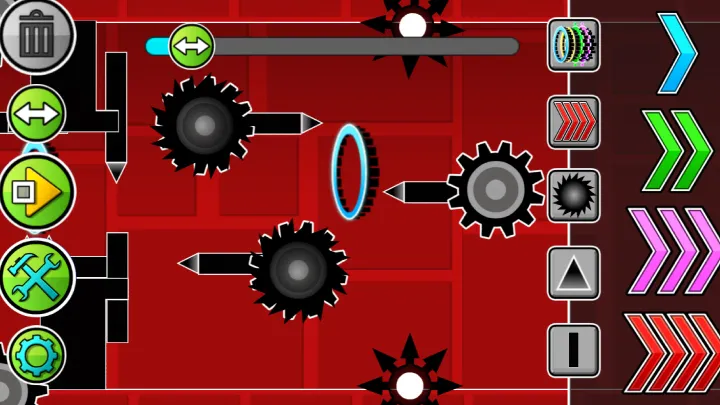
- Spike sequences
- Gravity changes
Competitive Advantage
Recognizing patterns reduces reaction time.
5. Precision Over Speed
Fast reactions alone are not enough.
Accurate timing defines success.
Precision Skills
- Jump height control
- Input timing
Hard Truth
One mistake ends the run.
6. Mental Endurance and Focus
Long attempts require sustained concentration.
Loss of focus causes most failures.
Focus Killers
- Frustration
- Fatigue
Mental Discipline
Stay calm, even after repeated deaths.
7. Frustration Management and Tilt
Geometry Dash can be mentally exhausting.
Tilt leads to sloppy inputs.
Signs of Tilt
- Rushing attempts
- Ignoring mistakes
Recovery Rule
Take breaks to reset your mindset.
8. Progression Through Incremental Improvement
Improvement in Geometry Dash is gradual.
Small gains add up over time.
Growth Indicators
- Fewer early deaths
- Reaching new sections consistently
Player Mindset
Progress is not always visible.
9. Why Geometry Dash Feels So Rewarding
Completing a difficult level creates intense satisfaction.
Effort directly translates to success.
Reward Factors
- Clear goals
- Immediate feedback
Emotional Payoff
Victory feels earned, not given.
10. The Geometry Dash Master Mindset
Advanced players approach the game methodically.
They respect difficulty instead of fighting it.
Pro Habits
- Practicing sections individually
- Playing with sound
- Knowing when to stop
Winning Formula
Patience + rhythm + precision.
Conclusion
Geometry Dash is not about speed or luck. It is a game built on rhythm, precision, and mental endurance. Players who embrace failure, manage frustration, and respect the learning process find deep satisfaction in mastering its challenges. This balance between simplicity and difficulty is what makes Geometry Dash timeless and addictive.