






Introduction
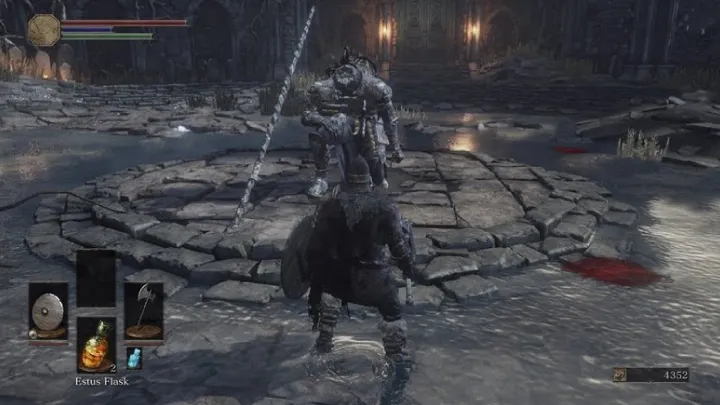
Dark Souls III, developed by FromSoftware, is a critically acclaimed action RPG known for its deep lore, challenging gameplay, and intricate world design. As the final installment in the Dark Souls series, it promises a rewarding experience for players willing to invest time and effort to master its mechanics. Whether you're a newcomer or a returning veteran, this guide will provide essential tips, strategies, and insights to help you navigate the treacherous lands of Lothric and emerge victorious against formidable foes.
Understanding the Basics of Dark Souls III
Before embarking on your journey, it's crucial to understand the core mechanics that define Dark Souls III. The game is renowned for its difficulty and punishing nature, making a solid grounding in its systems essential for success.
Game Overview
Dark Souls III is set in a dark fantasy world filled with hostile creatures, powerful bosses, and rich lore. The player's main objective is to link the fire and defeat the Lords of Cinder.
Key Features
- Combat Mechanics: The game emphasizes strategic combat, where timing, spacing, and resource management are vital.
- Leveling Up: Players enhance their characters via a leveling system that allows for customization of stats and abilities.
- Estus Flasks: Healing items that restore health but are limited in quantity, urging players to use them wisely.
Choosing Your Class and Starting Build
When starting a new game in Dark Souls III, selecting the right class and build can significantly influence your gameplay experience and effectiveness against enemies.
Class Options
Classes in Dark Souls III come with a unique set of starting stats, equipment, and playstyle. Consider these options:
- Knight: High health and equipment, excellent for beginners.
- Thief: Fast and agile with a focus on dexterity and stealth.
- Cleric: Master of healing magic with the ability for offensive spells.
Starting Build Considerations
Your starting build should be based on your desired playstyle. Consider the following approaches:
- Melee Build: Focus on strength and endurance for tanky, hard-hitting play.
- Magic Build: Improve intelligence and faith to utilize powerful spells and miracles.
- Hybrid Build: Combine elements of both strength and magic for versatility.
Mastering the Combat System
Combat in Dark Souls III is intricate and rewarding. Understanding the mechanics will enhance your effectiveness in battles and boss fights.
Understanding Stamina Management
- Stamina Gauge: Everything you do consumes stamina—attacking, blocking, dodging. Managing this resource is crucial for survival.
- Press and Release: Avoid using your entire stamina in one attack or series of attacks; always leave room for dodges or blocks.
Rolling and Dodging
- Invincibility Frames: Knowing when to roll and the timing associated with your invincibility frames can save your life.
- Practice Makes Perfect: Get comfortable with the timing necessary to avoid attacks from enemies and bosses.
Utilizing Weapon Types
Different weapons have distinct movesets and rolling animations that can affect your effectiveness in combat.
- Long Sword: Balanced weapon for both speed and damage.
- Great Axe: Slower, but deals significant damage with wide arcs.
- Bows and Crossbows: Allow you to engage from a distance—but require precision.
Exploring Lothric: The World and Its Secrets
The world of Dark Souls III is rich with secrets, hidden areas, and lore. Exploration will not only yield rewards but also provide crucial insights into the game.
Key Areas of Interest
- Firelink Shrine: Your primary hub for leveling up and acquiring items.
- Lothric Castle: A major area filled with challenging enemies and formidable bosses.
- The Abyss: Dark and perilous, this area often hides powerful loot and lore.
Finding Hidden Items
- Treasure Hunts: Be vigilant as you explore. Some items are well-hidden or require special methods to access.
- NPC Interactions: Engaging with NPCs often leads to helpful items, quests, and lore, enriching your experience.
Engaging with NPCs
Interacting with various NPCs is a vital component of Dark Souls III. They can provide quests, items, and backstory that can enhance your journey.
Key NPCs and Their Roles
- Andrej: The blacksmith offers weapon upgrades and crafting services.
- Greirat: A merchant who scavenges for items; help him, and he sells valuable goods.
- Anri of Astora: Involves players in a quest that leads to unique rewards and lore.
Completing NPC Quests
- Questlines: Follow through with NPCs' stories by completing their tasks. Missing actions can lead to character death or loss of items.
- Subtlety: Some quests have hidden triggers; pay close attention to the dialogue and environmental clues.
Strategies for Boss Battles
Boss fights in Dark Souls III are often challenging and require strategic planning and execution. Learning to approach these battles is essential for progression.
Pre-Battle Preparation
- Equipment Check: Make sure you have the right items, weapons, and consumables before entering a boss fight.
- Buffs: Utilize buffs to enhance your damage output or defense before engaging.
Boss Fight Techniques
- Learn Patterns: Each boss has distinct attack patterns—take time to learn them.
- Patience is Key: Don't rush; wait for openings to strike while avoiding aggressive attacks.
Notable Bosses
- Vordt of the Boreal Valley: A powerful frost knight that requires patience and proper dodging.
- Pontiff Sulyvahn: A challenging dual fight with both physical and magic attacks.
Managing Your Items and Resources
Resource management is crucial in Dark Souls III, affecting your survivability in combat and exploration.
Inventory Management
- Balance Your Items: Keep a varied inventory that includes healing items, buffs, and consumables.
- Estus Flasks: Upgrade your flasks to heal more significantly and manage them intelligently during battles.
Weapon and Armor Management
- Repairing Gear: Ensure that your weapons and armor are in good condition by checking their durability regularly.
- Upgrading Weapons: Invest resources into upgrading your favorite weapons for increased damage output.
Utilizing Multiplayer Features
Cooperative play and PvP can enhance your experience in Dark Souls III. Understanding how to interact with others is vital.
Summoning Allies
- Co-op Play: Use the summoning sign to invite players to join you in tough battles.
- Shared Rewards: Complete bosses together to earn shared rewards while working alongside teammates.
Engaging in PvP
- Arena Battles: Participate in arena battles to test your skills against other players.
- Duel Mechanics: Understand the nuances of PvP combat, such as timing, stamina usage, and attack patterns.
Staying Updated and Engaged
Dark Souls III has a dedicated community that continues to thrive, sharing tips, strategies, and engaging in discussions about the game.
Engaging with the Community
- Forums and Social Media: Join forums like Reddit or dedicated gaming forums to connect with other players.
- Strategy Guides: Utilize community-generated content and guides to find new strategies and tips.
Keeping Up with Lore and Updates
- Lore Exploration: Dive deeper into the game's lore by reading item descriptions and character backstories.
- Expansion Content: Keep an eye on additional content and DLC announcements that may enhance your gameplay experience.
Continuous Improvement and Learning
The journey in Dark Souls III is about learning and evolving as a player. Embrace the challenge and seek improvement through practice.
Analyzing Your Gameplay
- Self-Review: Take the time to watch your own gameplay and identify areas for improvement.
- Identify Weaknesses: Focus on fixing mistakes made in previous encounters to enhance your performance.
Goal Setting
Setting personal goals can provide motivation as you play. These can range from mastering a particular weapon to completing specific missions.
- Short-Term Goals: Focus on improving skill aspects or completing certain areas.
- Long-Term Goals: Aim to complete the game and unlock all achievements.
Conclusion
Mastering Dark Souls III requires dedication, strategic thinking, and a willingness to learn. By understanding the game mechanics, customizing your character, engaging with NPCs, and improving your combat skills, you can navigate the challenges presented by this intricate title effectively. Embrace the artistry and design of Dark Souls III, and relish the journey it offers through the hauntingly beautiful world of Lothric. Keep practicing, continue exploring, and enjoy the rewarding experience of conquering the challenges this iconic game presents.