





How Micro-Decisions, Meta Weapons, and Resource Scarcity Shape Player Behavior
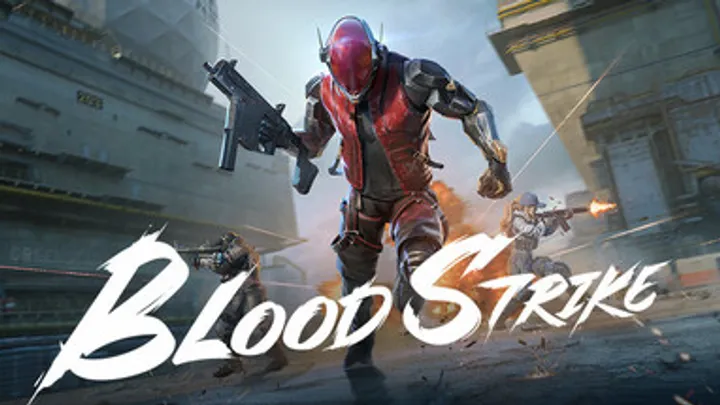
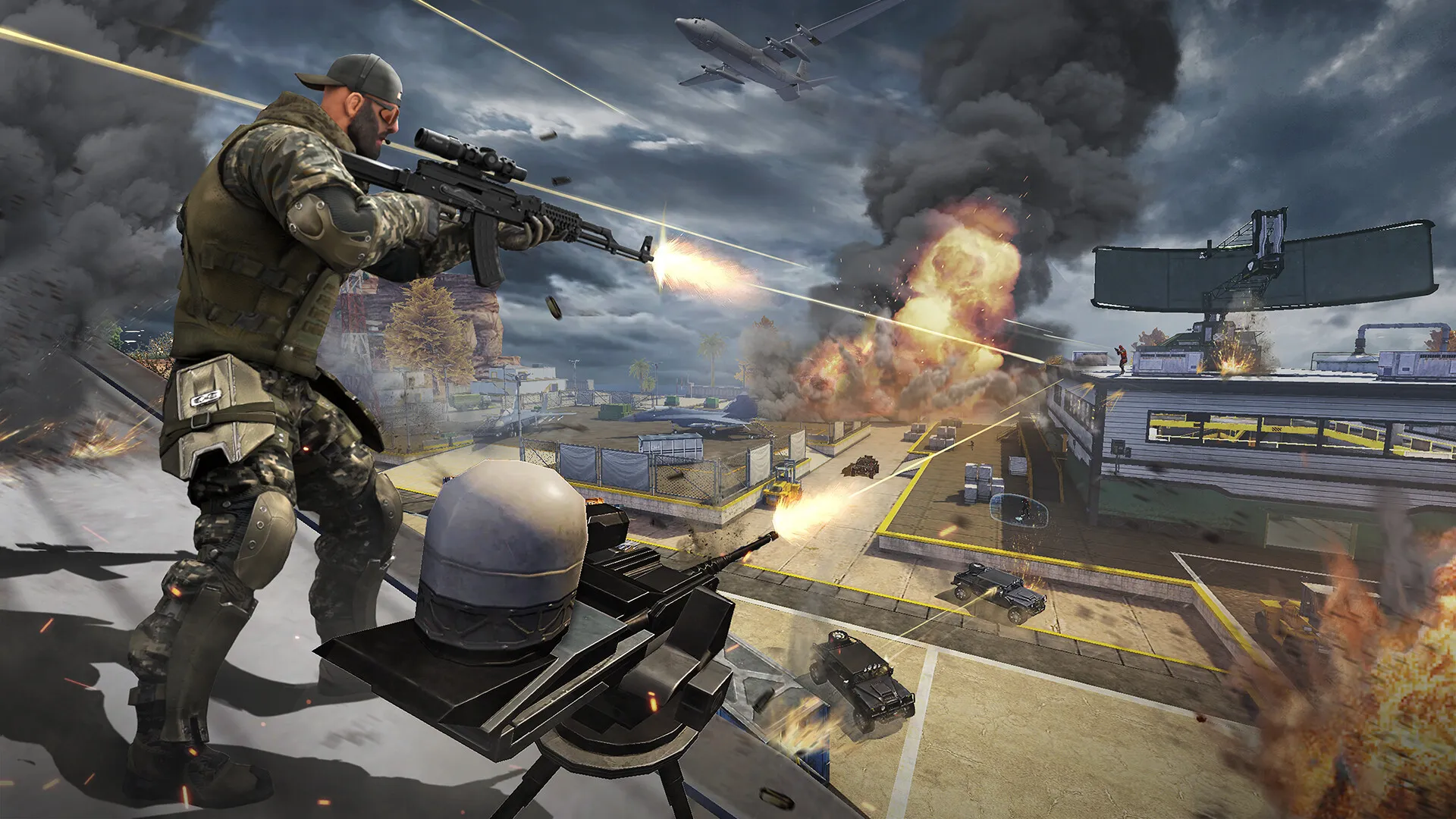
Blood Strike is known for its fast movement, compact map design, and high-tempo firefights. But beneath the frenetic action lies a quiet, constantly ticking system: loadout optimization. While casual players may overlook it, competitive players know that the loadout screen is arguably the most influential part of the game. Every attachment chosen, every upgrade purchased, and every weapon slot allocated creates a cascade of consequences that define the outcome of the match.
This article explores the specific issue of loadout optimization and how it deeply affects strategy, pacing, resource management, and even emotional experience in Blood Strike.
1.The Psychological Weight of Loadout Choices
Loadout selection may appear simple, yet it silently dictates how players approach each match long before they enter the battlefield.
The Illusion of Choice
Blood Strike provides a wide variety of weapons and attachments, but only a handful consistently perform well in the high-tier meta. Players believe they have freedom, but the meta pressures them into narrow, optimized builds.
Pre-Match Anxiety
Before a match even begins, players feel the tension of “What if my build isn’t good enough?” This emotional pressure shapes both casual and competitive play.
2.The Meta Weapon Cycle and Player Dependency
Meta weapons influence player habits far beyond raw stats.
Reinforced Behavior Patterns
When a weapon becomes strong in the meta, players rush to upgrade it. Eventually, they become dependent on that build, letting the gun dictate their playstyle.
Difficulty Switching Weapons
Even when patches weaken a formerly top-tier weapon, players struggle to adapt due to sunk-cost fallacy: they’ve already invested resources and time into upgrading that loadout.
3.The Scarcity of Upgrade Resources
Scarcity is a critical factor that forces players into difficult prioritization.
Limited Access to Core Materials
Upgrade chips, gold, and attachment parts are earned slowly. Players must choose between improving a favorite weapon or experimenting with something new.
Long-Term Effects
Over time, this scarcity creates rigid player identities:
- “Shotgun mains”
- “SMG rushers”
- “Sniper specialists”
- These labels emerge not from desire, but from how resources were spent.
4.The Burden of Attachment Synergy
Attachments offer stat boosts, but they also create synergy traps.
Hidden Trade-Offs
Players often focus on level upgrades, forgetting to evaluate whether attachments harmonize.
Examples include:
- Hip-fire bonuses conflicting with ADS-focused play
- Recoil attachments that reduce mobility
- High-damage barrels lowering range or accuracy
Synergy as Skill Expression
Understanding synergy becomes a skill of its own—some players excel at it, while others struggle to decode the complex stat interactions.
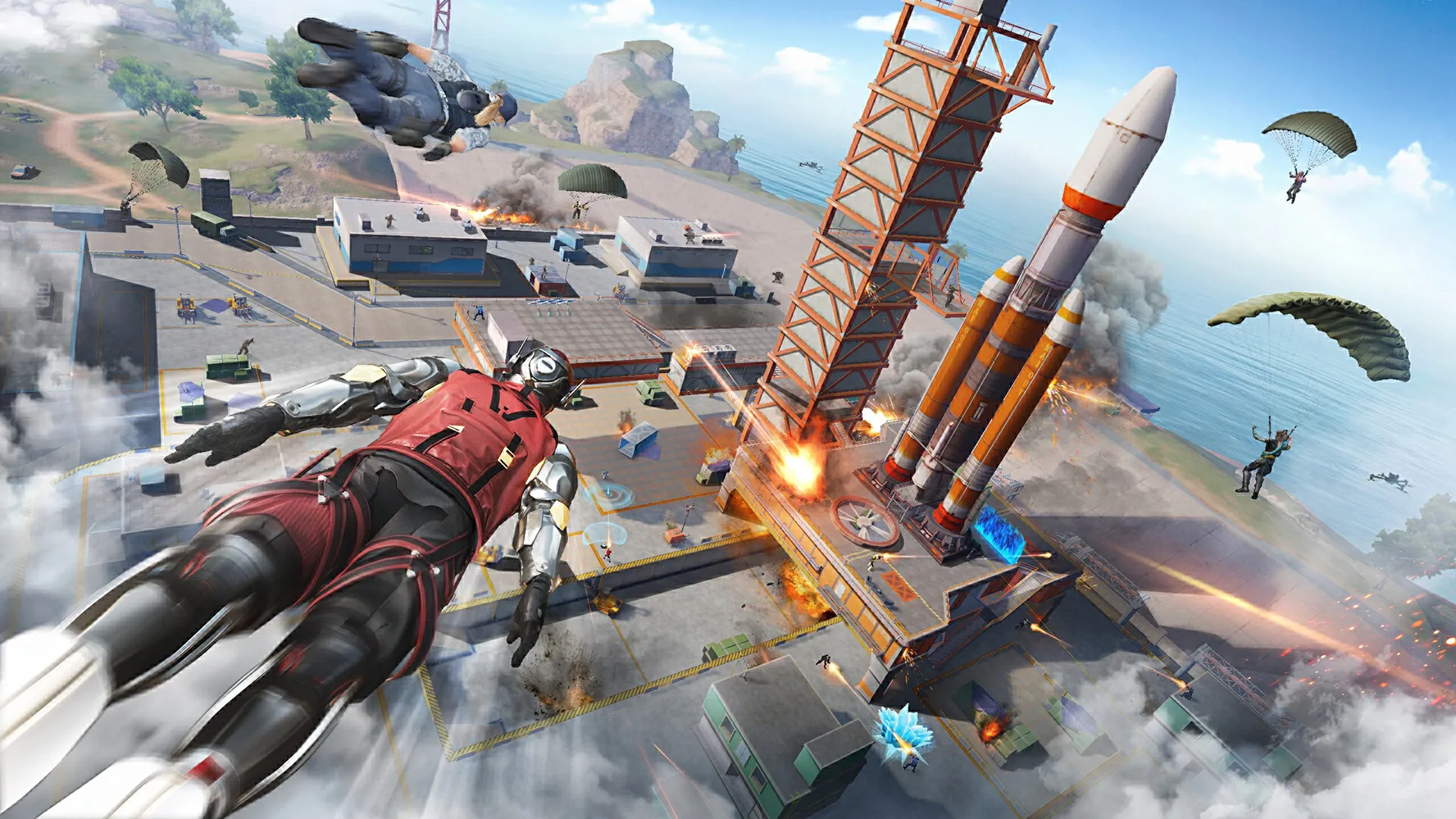
5.Loadout Choices Shape In-Game Strategy
The loadout directly determines how players behave moment-to-moment on the battlefield.
Movement Style Dictated by Build
SMGs promote aggressive pushing, while ARs force mid-range positioning. Snipers require patience and map control.
Thus, strategy becomes a derivative of loadout rather than player creativity.
The One-Playstyle Trap
Players often forget how versatile they can be because their loadout “locks in” their identity.
6.Emotional Investment in Weapon Identity
Players form emotional attachments to their builds.
Personalized Playstyle
A loadout becomes an expression of a player’s personality. Losing with their favorite build feels personal; winning with it feels validating.
Fear of Abandoning Comfort
Even if a weapon becomes suboptimal, players hesitate to switch because the loadout has become part of their identity.
7.Loadout Optimization and Matchmaking Fairness
Weapon strength affects matchmaking in subtle ways.
Skill Compression
When the meta becomes too dominant, players of different skill levels perform similarly because the weapon compensates for errors.
Perceived Imbalance
Players often blame matchmaking when the real issue is loadout disparity. A well-optimized build can overshadow raw skill.
8.The Economy of Experimentation
Trying new builds comes at a high cost.
Experimentation Feels Punishing
A player who wants to test multiple builds faces:
- Resource loss
- Time spent grinding
- Lower performance during testing
- This discourages creativity.
Community Influence
Players rely heavily on YouTube creators or TikTok influencers to avoid wasting resources. This shapes the meta further and limits independent exploration.
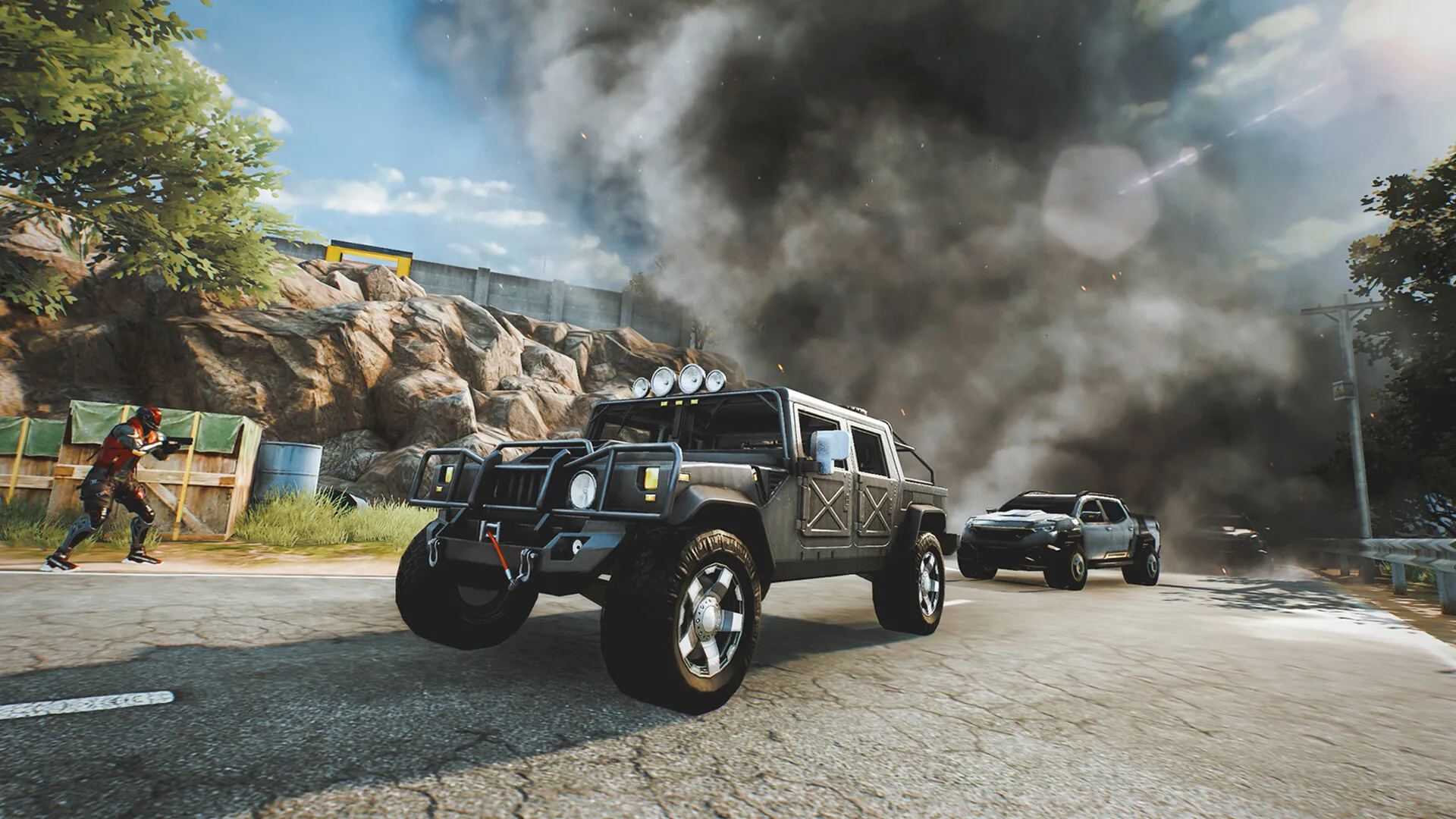
9.The Loadout Screen as a Skill Gate
Before mechanical skill matters, loadout knowledge acts as a gatekeeping mechanism.
Hidden Skill Layer
A beginner may have good aim but perform poorly simply because their attachments are mismatched.
Meanwhile, a mid-skilled player with a perfectly optimized build feels much stronger.
The Knowledge Gap
Veterans accumulate knowledge:
- Which combos maximize DPS
- Which attachments reduce TTK
- Which weapons scale best with upgrades
- This gap widens the competitive divide.
10.Patch Cycles and Constant Adaptation Fatigue
Frequent changes force players to reassess loadouts repeatedly.
The Reset Feeling
When weapons are buffed or nerfed, players must revisit the entire loadout screen. What was “perfect” yesterday may be obsolete today.
Emotional Fatigue
Players feel like their progress is undermined. The need to re-upgrade different builds can lead to burnout.
Loadout optimization in Blood Strike is far more than a simple pre-match menu—it is a complex psychological, strategic, and economic system that influences every part of the game. It shapes movement, determines emotional investment, limits creativity, and creates long-term player identity. While it drives engagement and rewards dedication, it also introduces pressure, resource scarcity, and fear of falling behind.
Understanding how deeply loadout choices affect gameplay reveals the invisible weight players carry with them into every match.