MARVEL: Cosmic Invasion – The Identity Crisis Behind the Universal Convergence Mechanic
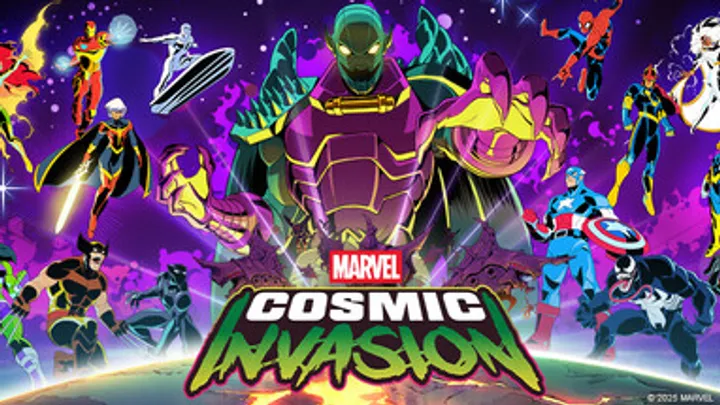
MARVEL: Cosmic Invasion arrives as one of the most ambitious large-scale strategy-action hybrids in the Marvel gaming universe. Featuring real-time combat, multi-planet faction progression, cosmic artifacts, and an ever-expanding roster, it promises galactic conflict on an unprecedented scale. But beneath the spectacle lies a profound systemic controversy—the Universal Convergence.
The Universal Convergence mechanic is designed to create cross-faction power interactions, merging energy signatures across heroes, villains, cosmic entities, and planetary forces. In theory, it’s a brilliant centerpiece: a cosmic “alignment storm” that encourages reactive play, inter-factional strategy, and emergent synergy. In practice, it creates an identity crisis that alters how factions behave, removes clear roster roles, destabilizes progression, and skews late-game balance.
This article explores this issue in depth. Not surface-level “power imbalance,” but the core structural problems that arise when factions built on iconic Marvel identities start blending mechanically and thematically in ways that contradict player expectations. Over ten structured sections, we’ll track the origins, consequences, and future implications of this mechanic—and why it has become one of the most debated design elements in Cosmic Invasion.
1. The Conceptual Birth of the Universal Convergence
The Universal Convergence was pitched as Cosmic Invasion’s key innovation. Instead of maintaining separate factional ecosystems—Avengers, Asgardians, Kree, Skrulls, Elders of the Universe—the designers intended to add a dynamic element that forces their energy signatures to interact when cosmic rifts appear.
H3: Why It Sounded Brilliant at the Time
- It would allow unexpected power combinations
- It would add replayability through chaos
- It would encourage flexible team compositions
- It would simulate the cosmic-scale instability of the story arc
H4: The Philosophical Problem Emerges Early
However, Marvel factions rely on identity boundaries.
When Thor receives Kree energy buffs or Gamora triggers Wakandan kinetic resonance, the universe stops feeling distinct. The mechanic is cool—but it starts eroding the core fantasy.
2. The First Signs of Faction Blurring
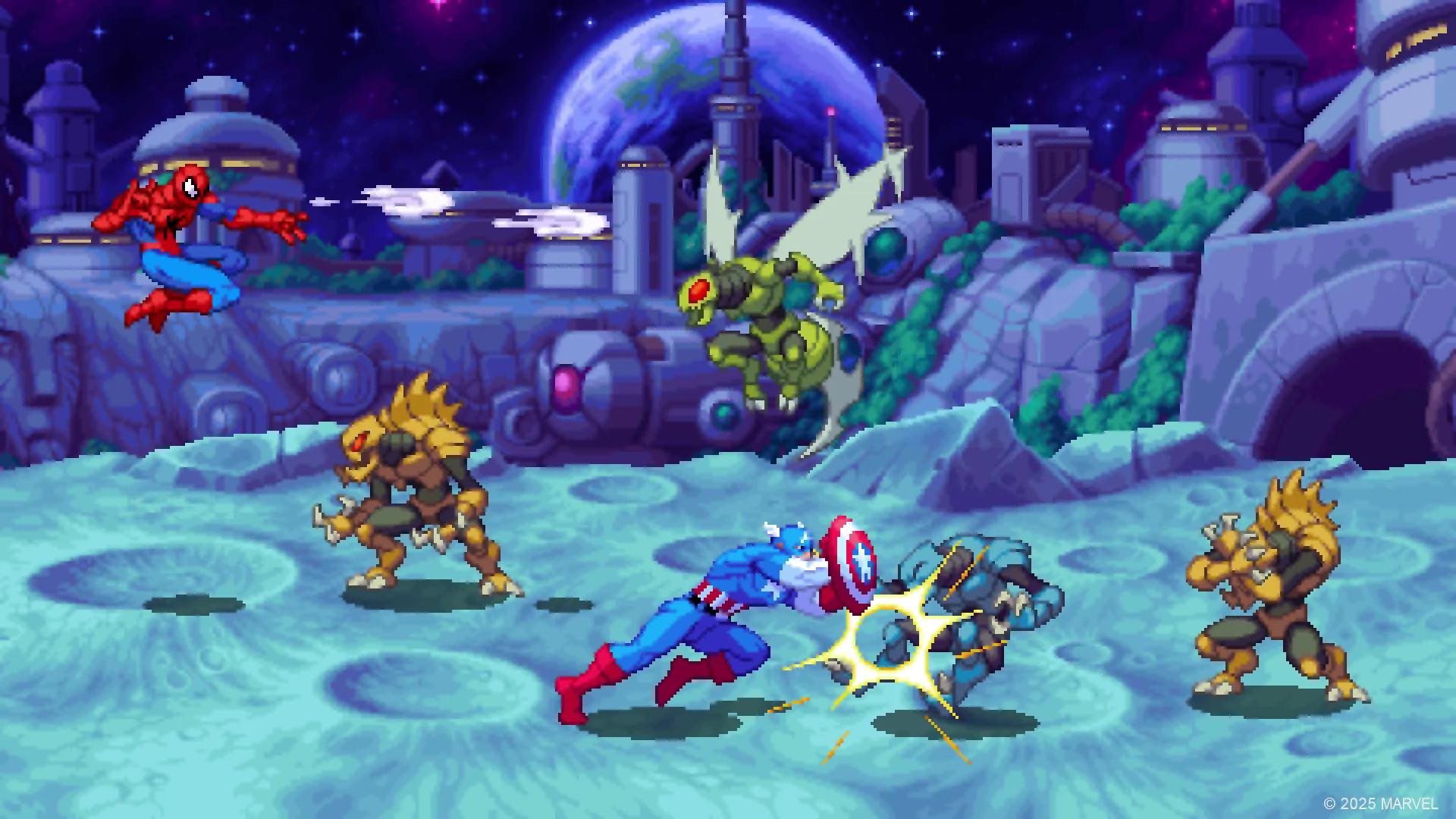
During early beta testing, players noticed that faction perks activated inconsistently when interacting with Convergence energy. This created hybrid power sets that felt mechanically interesting but thematically confusing.
H3: Mechanical Blurring
Convergence allowed:
- Kree Attack Protocols to trigger on Spider-Man web debuffs
- Dark Dimension corruption to empower cosmic-tech characters
- Mutant regeneration to scale with non-mutant allies
- Asgardian blessings stacking on Earthbound heroes with no mythic background
H4: Narrative Blurring
More troubling was the breakdown of story logic.
Why does a Skrull mimicry pulse harmonize with ancient Elders’ cosmic resonance?
Why does Earth-tech respond to Celestial frequencies?
The mechanic forced lore to bend, sometimes break.
3. Progression Instability Across Entire Campaigns
Cosmic Invasion features multi-planet campaigns where players align forces, resources, and hero rosters. The Convergence mechanic destabilizes these progression paths.
H3: The Scaling Problem
Convergence effects scale based on:
- Cosmic instability level
- Faction diversity in a squad
- Total synergy resonance
- The presence of cosmic artifacts
This creates exponential scaling curves.
H4: Uneven Planet Difficulty
Players reported:
- Difficulty spikes on Xandar
- Difficulty collapses on Titan
- Random surges on Knowhere
- Unpredictable event chains on Vormir
Campaign pacing becomes inconsistent.
4. The Collapse of Faction Role Identity
One of the biggest casualties of the Universal Convergence is role clarity.
H3: Avengers No Longer "Balanced"
Avengers, typically the all-rounder faction, suddenly gain extreme power spikes when Convergence boosts apply.
The result?
They become burst-damage juggernauts, overshadowing factions built for that purpose.
H4: Cosmic Factions Lose Uniqueness
The Asgardians and Celestial-adjacent factions were meant to be high-risk, high-reward cosmic units.
But when street-level heroes gain cosmic buffs through Convergence, the fantasy collapses.
This undermines player attachment to faction identity.
5. Competitive Modes Reveal the Full Extent of the Issue
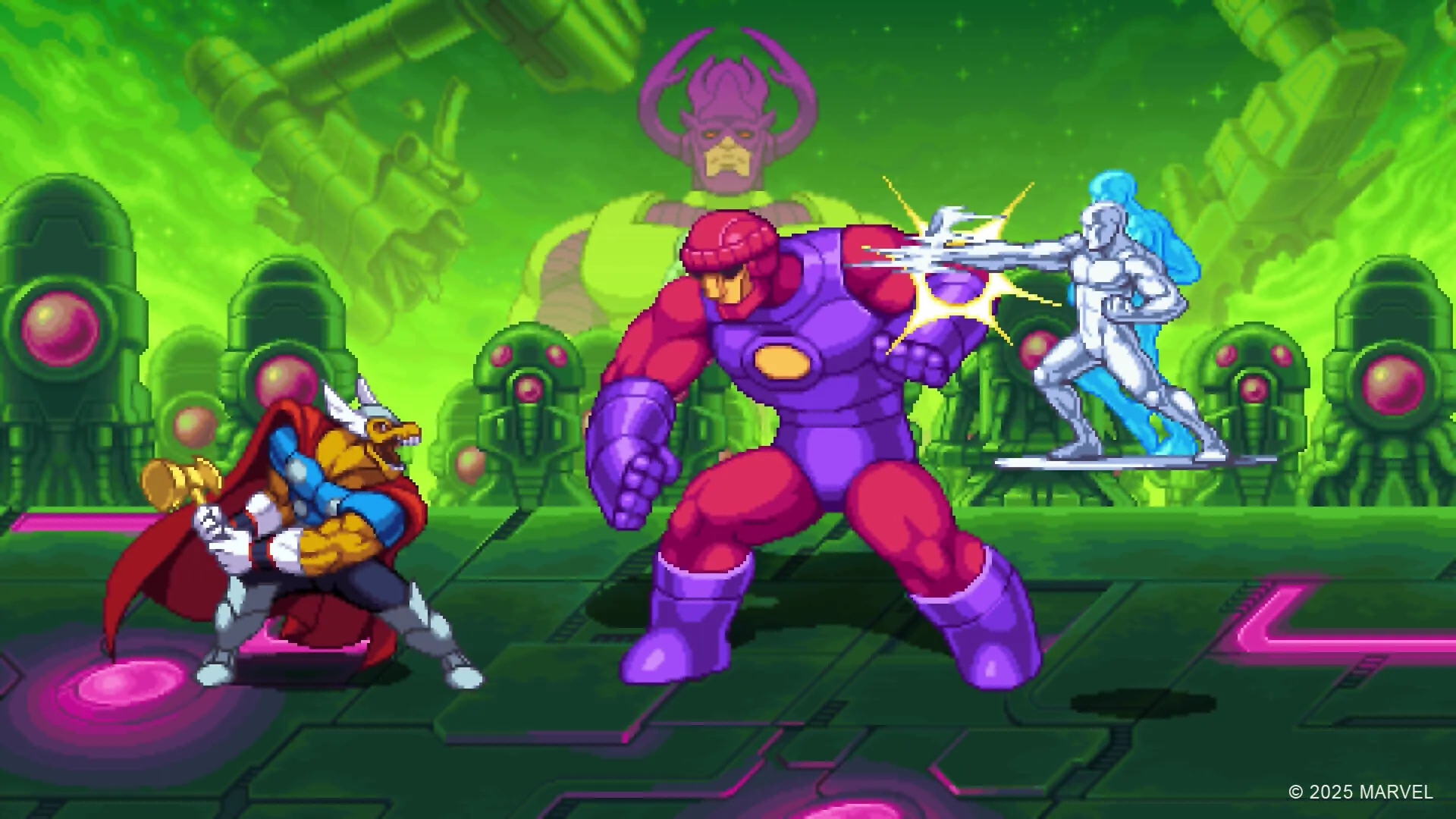
PvP and Alliance Wars expose the imbalance more dramatically than PvE.
H3: Faction-agnostic Meta
Players discovered that the strongest teams were often composed of:
- One cosmic anchor
- Two tech disruptors
- One mutant healer
- One wildcard character
Faction no longer matters. Only Convergence synergy does.
H4: Predictability Dies
The unpredictability of Convergence makes competitive modes reliant on:
- RNG synergy spikes
- Convergence timing windows
- Unstable resonance chains
Skill is replaced by meta exploitation and moment-to-moment luck.
6. Case Study: The Inhuman Resonant Loop Disaster
The clearest example of Convergence destabilization is the notorious Inhuman Resonant Loop.
H3: How the Loop Works
- Black Bolt's energy strikes produce resonance pulses
- Convergence multiplies resonance output
- Medusa’s Living Strand passive amplifies the pulses
- Kree synergy misfires due to Convergence
- Pulses chain infinitely during instability surges
H4: Consequences
- Entire battles wiped in seconds
- Alliance Wars exploited
- Cosmic events trivialized
- The dev team issued emergency patches
The Loop became the textbook example of why Convergence-based scaling is dangerous.
7. Player Identity and Emotional Investment Breakdown
Players don’t just pick factions for stats—they pick them for emotional attachment.
H3: The Identity Disconnect
When characters behave outside their imagined roles:
- Hulk becomes a ranged DPS
- Captain Marvel becomes a burst-healing support
- Loki becomes a frontline tank through resonance scaling
Players feel their characters “aren’t themselves.”
H4: Psychological Impact on Long-Term Engagement
Loss of identity leads to:
- Lower retention
- Reduced faction loyalty
- Fewer purchases of faction-themed cosmetics
- Negative forum engagement
A mechanic meant to enrich variety inadvertently weakens emotional grounding.
8. Developer Attempts to Re-Anchor Factions
Realizing the issue’s scope, developers began implementing rebalancing strategies.
H3: Re-Establishing Faction Boundaries
The dev team added limitations:
- Caps on cross-faction resonance
- Diminishing returns on mismatched energies
- Restrictions on universal amplification
H4: Player Backlash
Some players argued that:
- Convergence chaos was fun
- Over-correction made the game too predictable
- Nerfs destroyed creative team compositions
The community split into “identity-first” and “chaos-first” camps.
9. Systemic Insight: Why the Mechanic Breaks the Game
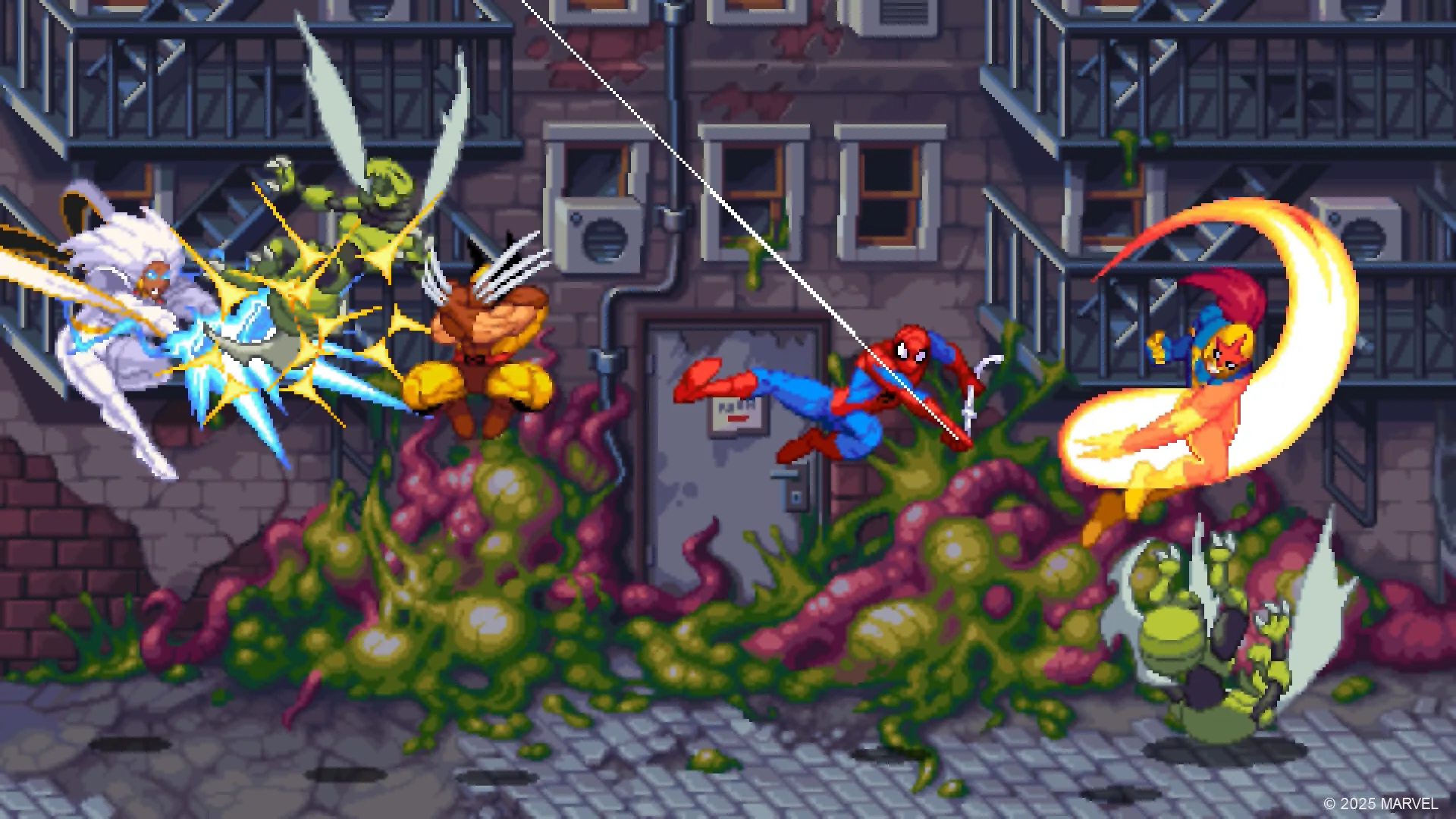
The Universal Convergence is fundamentally incompatible with a faction-based universe.
H3: The Design Clash
Cosmic Invasion attempts to blend:
- Stable identities (core Marvel canon)
- Unstable cosmic mechanics (game innovation)
These goals contradict each other.
H4: Three Systemic Consequences
- Narrative dissonance
- Mechanical imbalance
- Progression unpredictability
The mechanic is exciting—but structurally volatile.
MARVEL: Cosmic Invasion shines brightest when faction identities stay true and cosmic mechanics enhance, not replace, those identities. The Universal Convergence, while conceptually innovative, disrupts too many foundational systems—balance, narrative, progression, competitive fairness, and emotional investment.
To fix the issue, developers must:
- Recenter faction identity as the core backbone
- Limit Convergence effects to thematic, lore-consistent interactions
- Overhaul scaling to prevent runaway synergy loops
- Reinforce faction-specific advantages
Cosmic Invasion is a game that pushes boundaries. But its greatness will ultimately depend on how well it restores the sense of identity that defines the Marvel universe.