

Mecha Break is a term that resonates deeply within the realms of science fiction and anime, encapsulating the essence of mechanical giants and their impact on culture, technology, and storytelling. The term refers not only to the genre's aesthetic but also to significant paradigms—the innovation and breakthroughs that have shaped the mecha genre over decades. This article delves into the evolution of mecha, its cultural significance, technological inspirations, and the future of mecha in entertainment and real-world applications.
The Origins of Mecha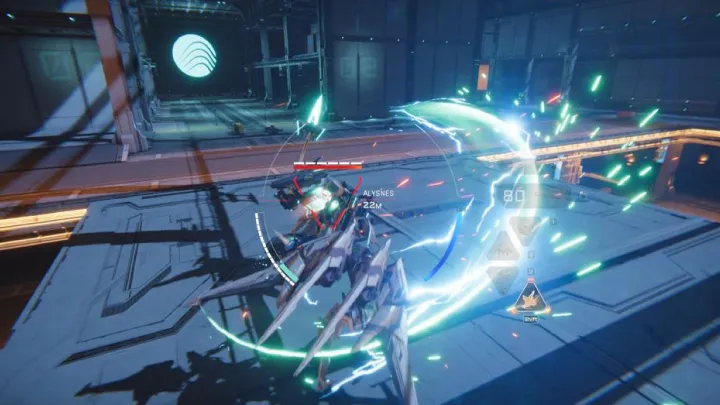
Early Inspirations
The concept of mecha can be traced back to early literature and art that envisioned humanoid machines. One of the earliest influences is the Automaton, a mechanical figure capable of performing specific tasks, leading to fascination with robotics and machinery.
- Leonardo da Vinci's Designs: The Renaissance polymath sketched designs for armored vehicles and mechanical knights, showcasing early imaginations of what mechanized beings could look like.
- Early Cinema: In the early 20th century, films like "Metropolis" (1927) introduced audiences to the idea of giant robots, setting the foundation for future narratives.
Mecha in Anime and Manga
The modern mecha genre began to take shape in the 1970s, specifically through anime and manga.
- Mobile Suit Gundam: Launched in 1979, Gundam revolutionized the genre; it featured complex characters, political narratives, and mechs that were not just machines but embodiments of their pilots' struggles. This series paved the way for future mecha narratives, establishing themes of war, identity, and morality.
- Mazinger Z: Preceding Gundam, this 1972 series introduced the concept of giant robots piloted by humans, blending action with themes of heroism and technological power.
The Evolution of the Mecha Genre
Types of Mecha
As the genre evolved, various types of mecha emerged, each with distinct characteristics and narratives.
- Real Robots: These are grounded in realistic technology and physics, often depicting military applications like in "Gundam" or "Full Metal Panic!" They emphasize the struggles and morals associated with warfare.
- Super Robots: These mechas typically showcase fantastical elements, often with powers that defy the laws of physics. Series like "Getter Robo" and "Shogun Warriors" exemplify this style, focusing on sheer spectacle and creative storytelling.
Themes and Narratives
The mecha genre is rich with diverse themes that reflect the complexities of human nature and society.
- War and Conflict: Many mecha series explore the ramifications of war, the cost of technology, and the ethical dilemmas faced by soldiers, akin to classic war narratives.
- Identity and Humanity: Mecha narratives often delve into existential questions, particularly the relationship between humans and machines. Shows like "Neon Genesis Evangelion" challenge viewers to consider the implications of humanity's reliance on technology.
Cultural Impact
The mecha genre has left an indelible mark on global culture, influencing not only entertainment but also fashion, art, and technology.
- Influence on Art and Fashion: Mecha designs have inspired countless artists and designers, leading to a unique subculture that celebrates robotics, cybernetic aesthetics, and futuristic fashion.
- Global Reach: While originating in Japan, mecha has transcended cultural boundaries, inspiring international franchises and adaptations, from Hollywood films to Western animated series.
Technological Inspirations and Reality
Robotics and Engineering
The fascination with mecha in entertainment often paralleled real-world developments in robotics and engineering.
- Advances in Robotics: As robotics technology advanced, concepts from the mecha genre inspired engineers and designers. Projects like Honda's ASIMO and Boston Dynamics' Atlas illustrate the aspiration to create humanoid and versatile robots.
- Exoskeletons: The development of exoskeletons for military and medical applications reflects the blending of mecha concepts with practical technologies, enabling human operators to enhance their physical capabilities.
Virtual Reality and Simulation
With advancements in VR and simulation technologies, the dream of piloting a mecha has become more tangible.
- Gaming Experiences: Video games such as "Armored Core" and "MechWarrior" offer players immersive experiences that mimic the thrill of controlling giant robots, allowing for a deeper connection to the mecha fantasy.
- Training Simulators: Military and aerospace industries have invested in simulation technology that mirrors mecha operations, enhancing training for real-world applications.
Iconic Mecha Series and Films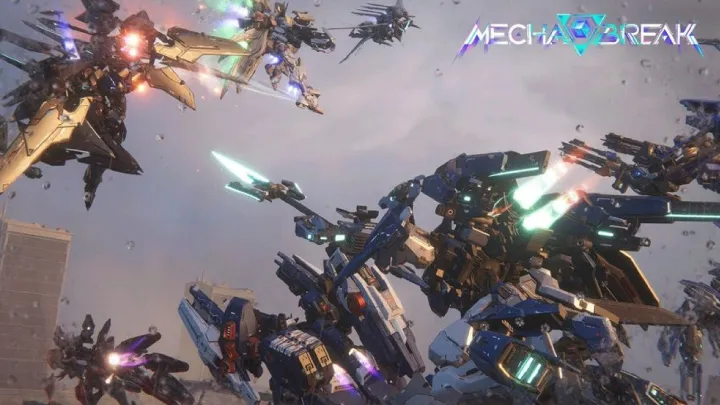
Television and Anime
Numerous series have defined the mecha genre, each contributing uniquely to its lore.
- Neon Genesis Evangelion: This seminal series not only revitalized the mecha genre but also introduced complex psychological and existential themes, challenging audiences' perceptions of heroism and trauma.
- Code Geass: Combining mecha action with political intrigue, Code Geass explores themes of rebellion and control, showcasing the strategic use of mechas in warfare.
Films
Mecha has also found a prominent place in cinema.
- Pacific Rim: This blockbuster film reimagined the mecha genre for a contemporary audience, blending spectacular visual effects with the classic notion of giant robots defending humanity against monsters. It reignited interest in the genre on a global scale.
- Ghost in the Shell: While not strictly a mecha film, this cyberpunk classic explores the relationship between humans and technology within a futuristic landscape, influencing a generation of sci-fi storytelling.
The Future of Mecha
Innovations in Storytelling
The future of the mecha genre lies in expanding narrative horizons and exploring new themes.
- Cinematic Universes: As various franchises explore interconnected narratives, the potential for a shared mecha universe, akin to the Marvel Cinematic Universe, opens doors for new storytelling possibilities.
- Diversity in Representation: Future narratives may increasingly reflect varied cultural perspectives on technology and humanity, moving beyond traditional tropes to include diverse protagonists and scenarios.
Advancements in Technology
The intersection of entertainment and technology will continue to shape the future of the mecha genre.
- Augmented Reality: The use of AR technologies could enhance viewer experiences, allowing fans to interact with mecha designs and narratives in immersive environments.
- Crowdsourcing and Fan Contributions: The growth of crowdfunding platforms and fan engagement allows for unique projects that might have previously been overlooked, leading to innovative stories and concepts within the mecha genre.
Conclusion
Mecha Break represents more than just a moment in entertainment; it encapsulates a dynamic fusion of cultural expression, technological aspiration, and imaginative storytelling. As the mecha genre continues to evolve, its influence will remain significant, inspiring new generations of creators and audiences alike. The journey from early automata to modern-day mecha not only reflects humanity's fascination with machinery but also its ongoing quest to explore the complex relationship between technology and the human experience.