







Slime Lab presents itself as a minimalist platformer built around a cheerful aesthetic and an immediately understandable core mechanic: you control a malleable slime navigating hazardous laboratory environments. At first glance, the game appears forgiving, almost playful, with generous checkpoints and uncomplicated controls. However, this surface-level accessibility conceals a far more exacting design philosophy. Slime Lab is not a test of reaction speed or mechanical dexterity, but of spatial timing, rhythm awareness, and patience. This article examines how the game leverages mechanical simplicity to construct a demanding precision experience that challenges players mentally rather than physically.
1. The Opening Levels and the Illusion of Ease
Early stages establish confidence.
Movement feels fluid, hazards are slow, and failure carries minimal penalty. Players quickly internalize the idea that Slime Lab is lenient.
This early generosity is intentional. It conditions players to underestimate the precision demanded later, making the eventual difficulty curve feel sharper than it actually is.

2. Slime Physics as a Timing Mechanism
The slime’s elasticity is not cosmetic.
Stretching, compressing, and rebounding introduce variable movement delays that players must learn to anticipate.
Elastic latency
Movement is never instantaneous; timing emerges from deformation.
3. Jumping Is a Commitment, Not a Reflex
Unlike traditional platformers, jumps cannot be spammed.
The slime requires recovery time after deformation, punishing impulsive inputs.
Input discipline
Successful play rewards restraint over speed.
4. Environmental Hazards Teach Rhythm
Lasers, crushers, and moving platforms operate on clear cycles.
Players must synchronize movement to environmental tempo rather than reacting dynamically.
Pattern literacy
Mastery depends on reading rhythm, not improvisation.
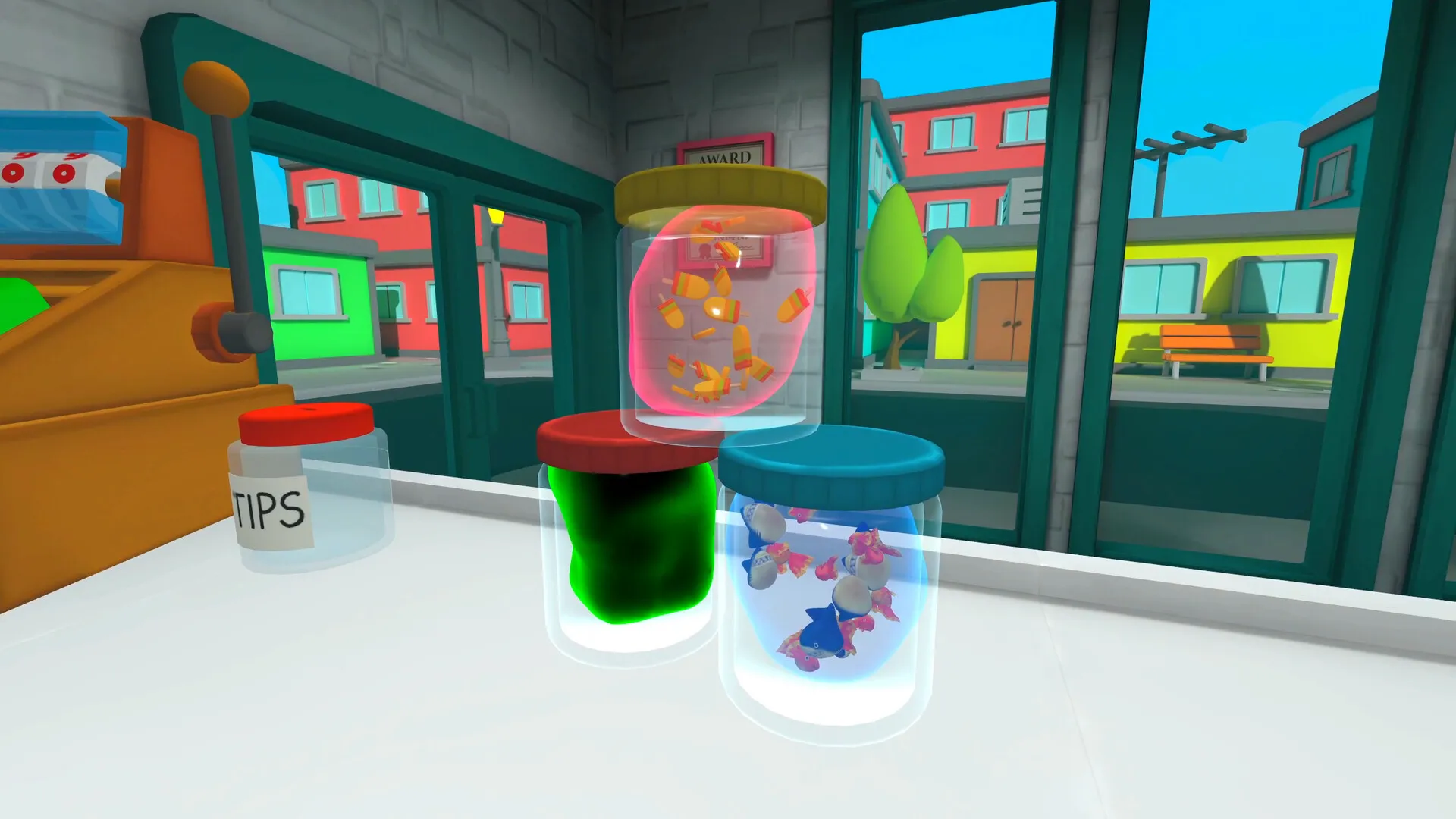
5. Checkpoints Reduce Fear, Not Difficulty
Frequent checkpoints lower emotional stakes.
However, they do not simplify execution requirements.
Low punishment, high precision
Failure is safe, but success still demands accuracy.
6. Spatial Compression and Limited Margins
Later levels reduce safe space dramatically.
Platforms narrow, hazards overlap, and timing windows shrink.
Margin erosion
The game gradually removes forgiveness without announcing it.
7. Visual Clarity as a Design Contract
Slime Lab maintains clean visual language.
Hazards are readable, colors are consistent, and clutter is minimal.
Fair difficulty
The game never hides danger; it demands attention.
8. Patience as the Core Skill
Rushing almost always leads to failure.
Waiting for full cycles and optimal alignment becomes essential.
Deliberate pacing
The game rewards stillness as much as movement.

9. Emotional Regulation Over Mechanical Mastery
Frustration arises not from unfairness, but from impatience.
Players fail because they break rhythm, not because the game surprises them.
Self-control loop
Progress depends on emotional steadiness.
10. Why Slime Lab Feels Harder Than It Looks
The game never overwhelms players with complexity.
Instead, it quietly increases precision requirements while preserving simplicity.
This contrast defines Slime Lab’s identity and lasting appeal.
Conclusion
Slime Lab demonstrates how minimal mechanics can support a deeply demanding experience. By anchoring difficulty in timing, rhythm, and patience rather than reflex speed, the game creates a form of challenge that feels fair yet uncompromising. Its cheerful presentation and forgiving checkpoint system disguise an underlying precision platformer that tests players’ ability to slow down, observe, and commit deliberately. Slime Lab succeeds not by surprising players, but by asking them to master restraint within apparent simplicity.